When I was studying business in Sweden, I did an internship at a Danish company in Seoul. My Korean boss, David, took it upon himself to make sure I didn’t just learn about spreadsheets and meetings, but about Korea too. Every morning, he arranged informal Korean lessons with colleagues from the office, and on weekends he dragged me around Seoul to see everything he thought I should know. Which was a lot.
We’ve stayed in touch over the years, so when I was back in Seoul last month, meeting up was a given. My visit happened to overlap with Seollal, Korean New Year, so David was heading out of town to see his elderly mother. Still, he managed to fit me in for lunch before leaving.
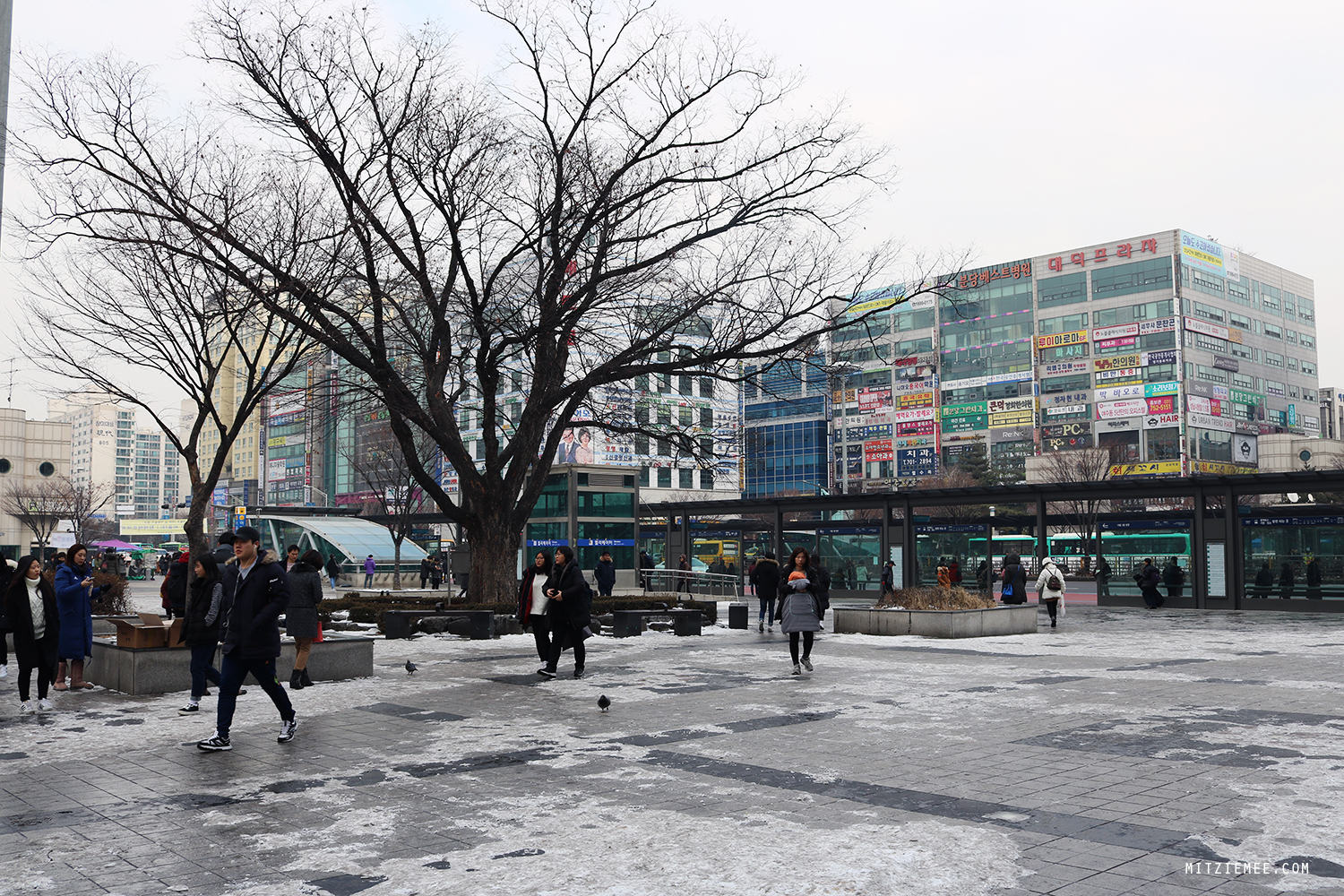
I took the subway to Yatap Station, where he met me, and we walked over to the company’s new office nearby. We chatted with a few people, but only one was still there from my internship days. Everyone else was new, which made the whole thing feel both familiar and strangely distant at the same time.
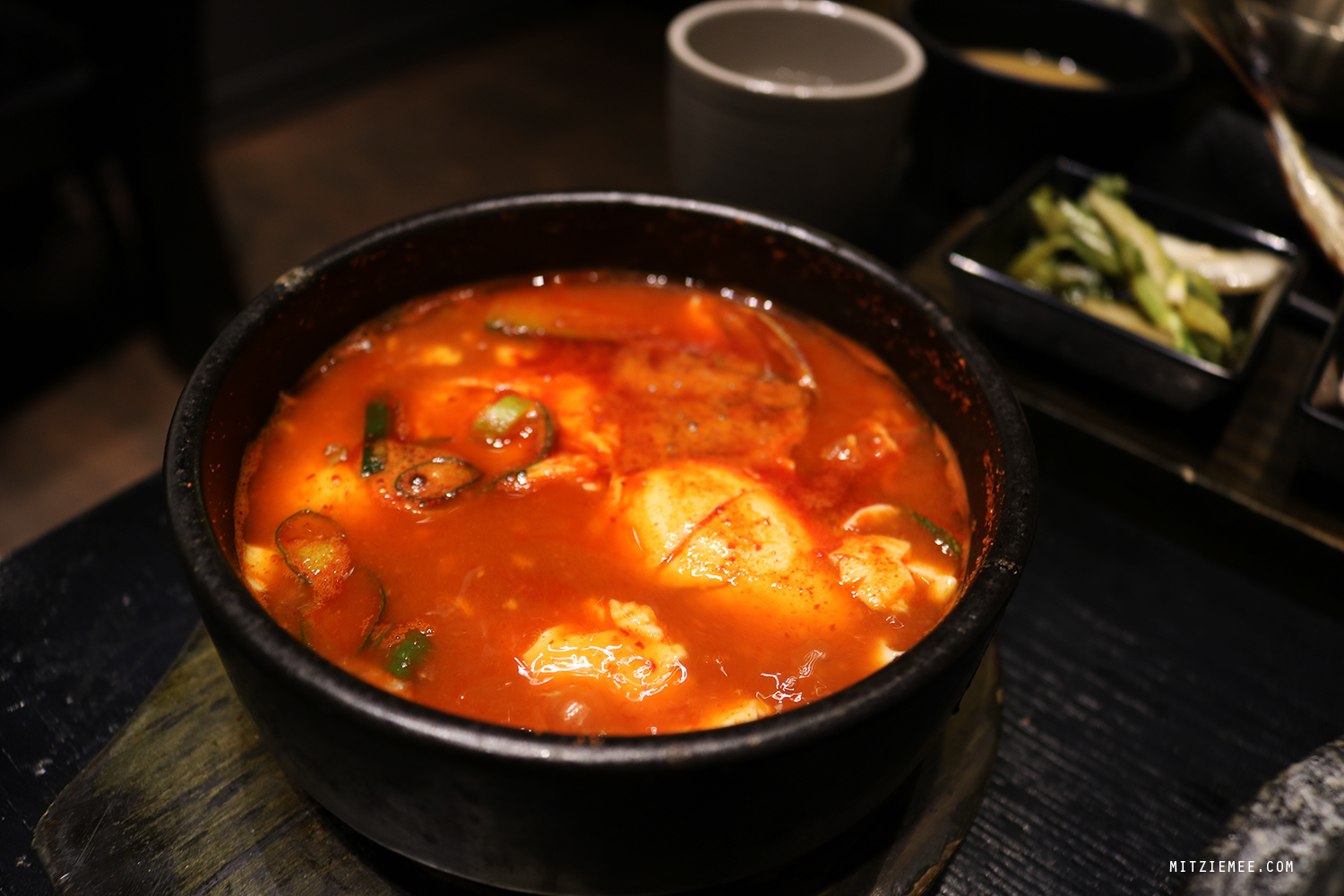
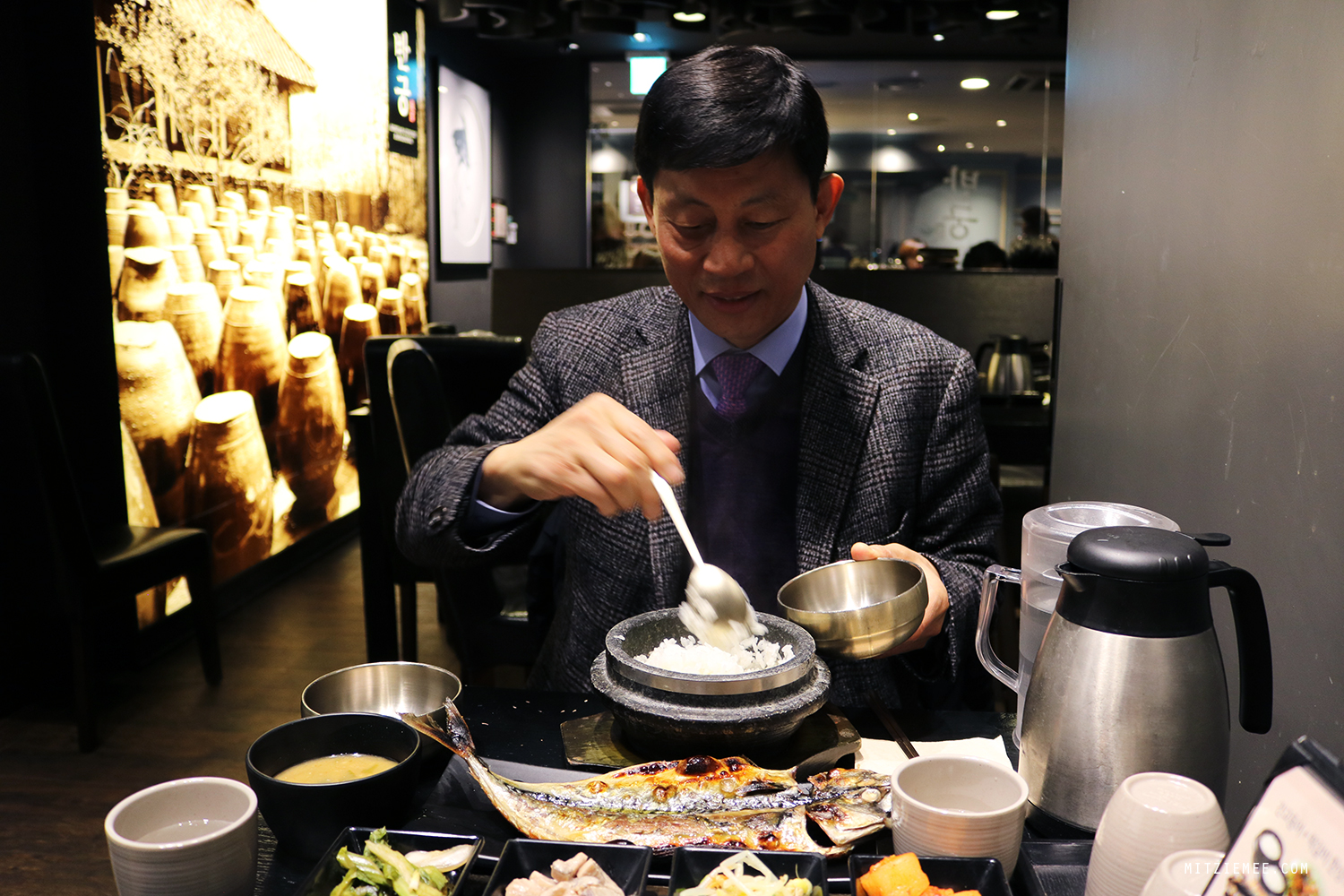
Then we went out for lunch. I don’t remember the name of the restaurant, only that it was on an upper floor of a shopping mall near the station. David ordered a grilled fish set, and I went for spicy tofu soup. It was one of those icy Seoul winter days where the cold gets into your bones, and I needed something properly warming. The soup arrived bubbling hot and was so spicy it felt like eating lava. Exactly what I was hoping for.
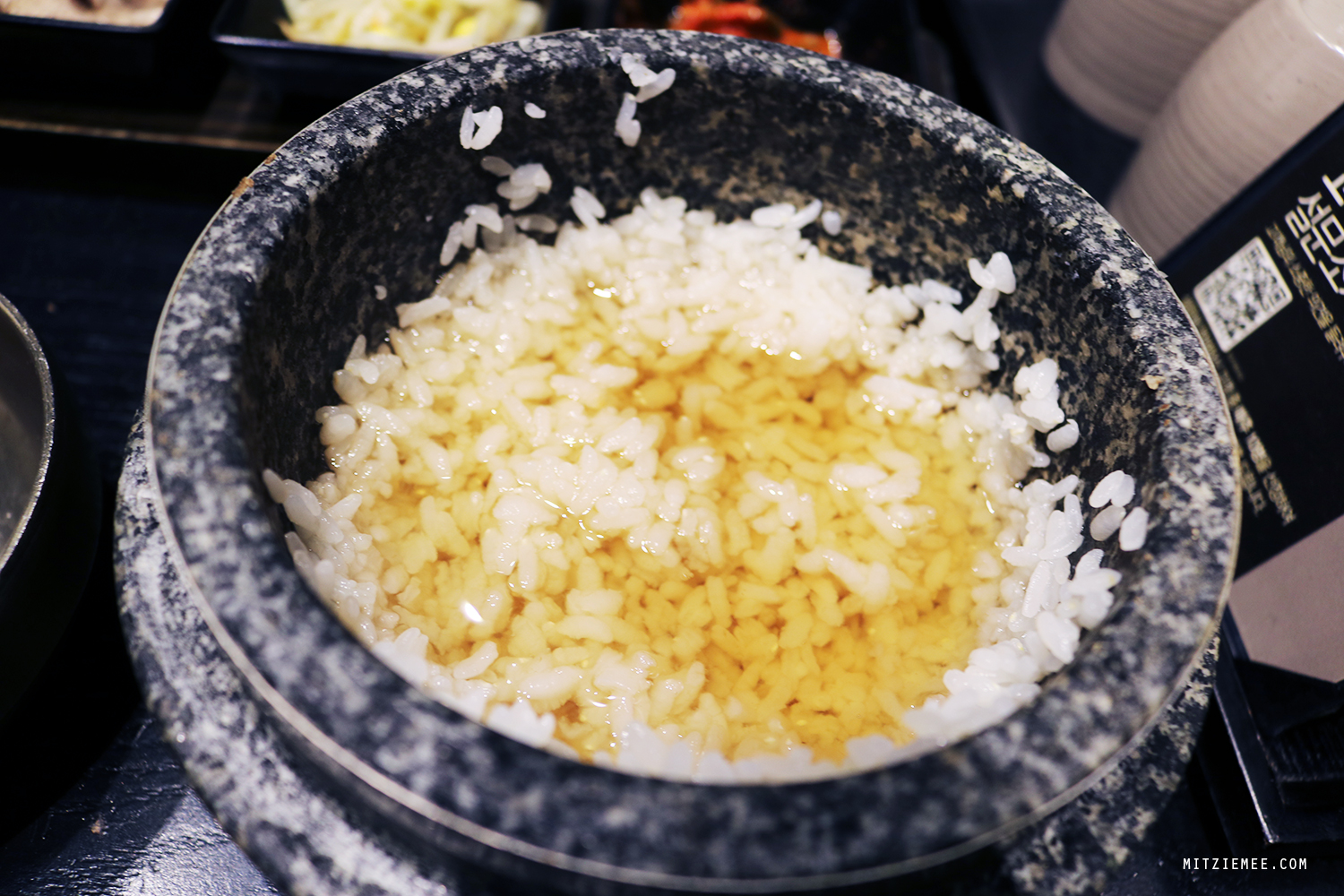
With the meal came rice served in a hot stone bowl. In Korea, it’s common to transfer the rice into a metal bowl right away so it doesn’t keep cooking. What’s left behind is the scorched rice stuck to the bottom and sides of the stone bowl. That rice is called nurungji.
Instead of scraping it out, you pour hot water or barley tea over it and let it sit while you finish the rest of your meal. At the end, you drink or eat what’s now a light, toasty rice soup called sungnyung.
It’s very mild in flavor, but that’s intentional. It’s meant to be calming and easy on the stomach. David mentioned that it’s especially popular with older people, and it’s a good way to end the meal.