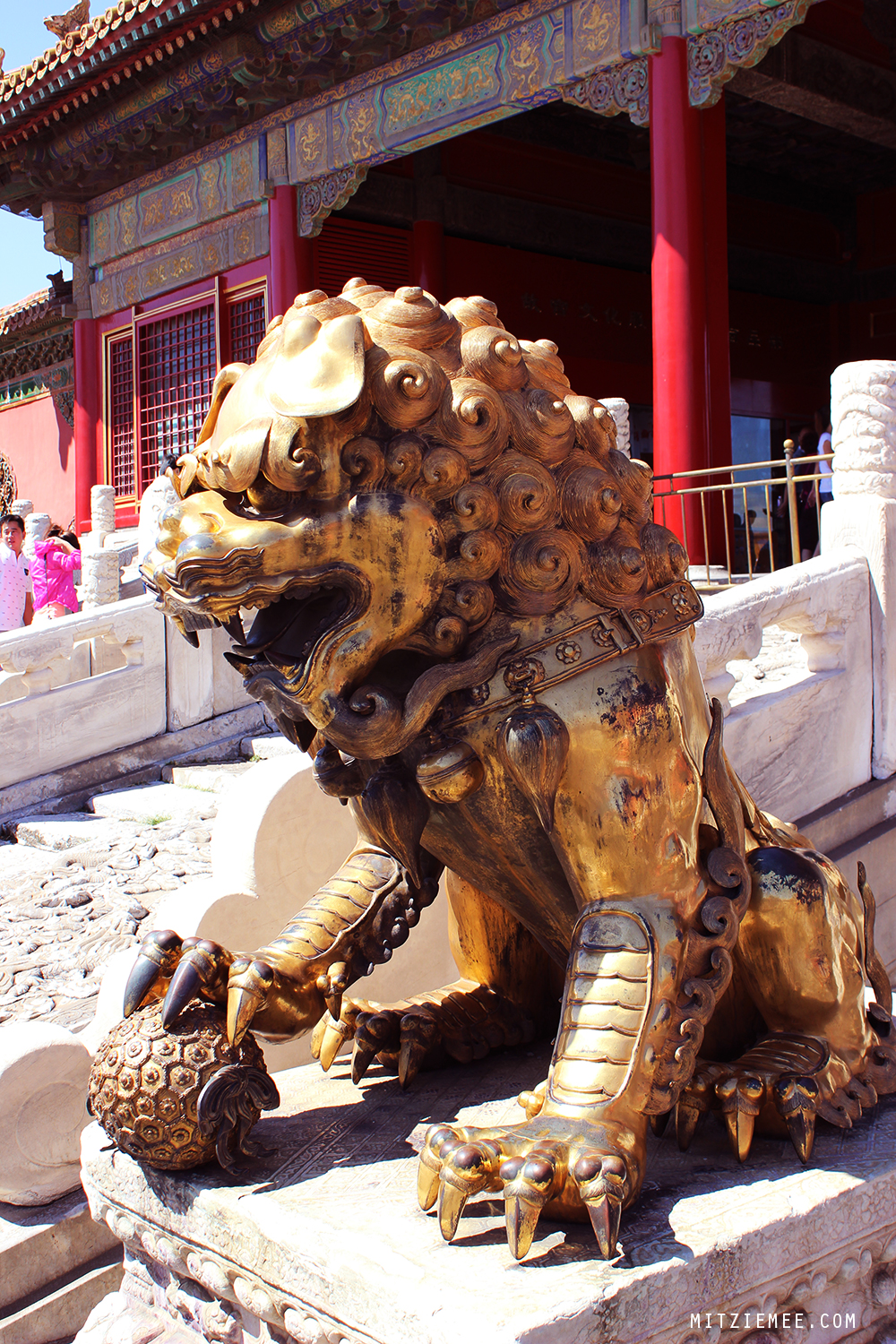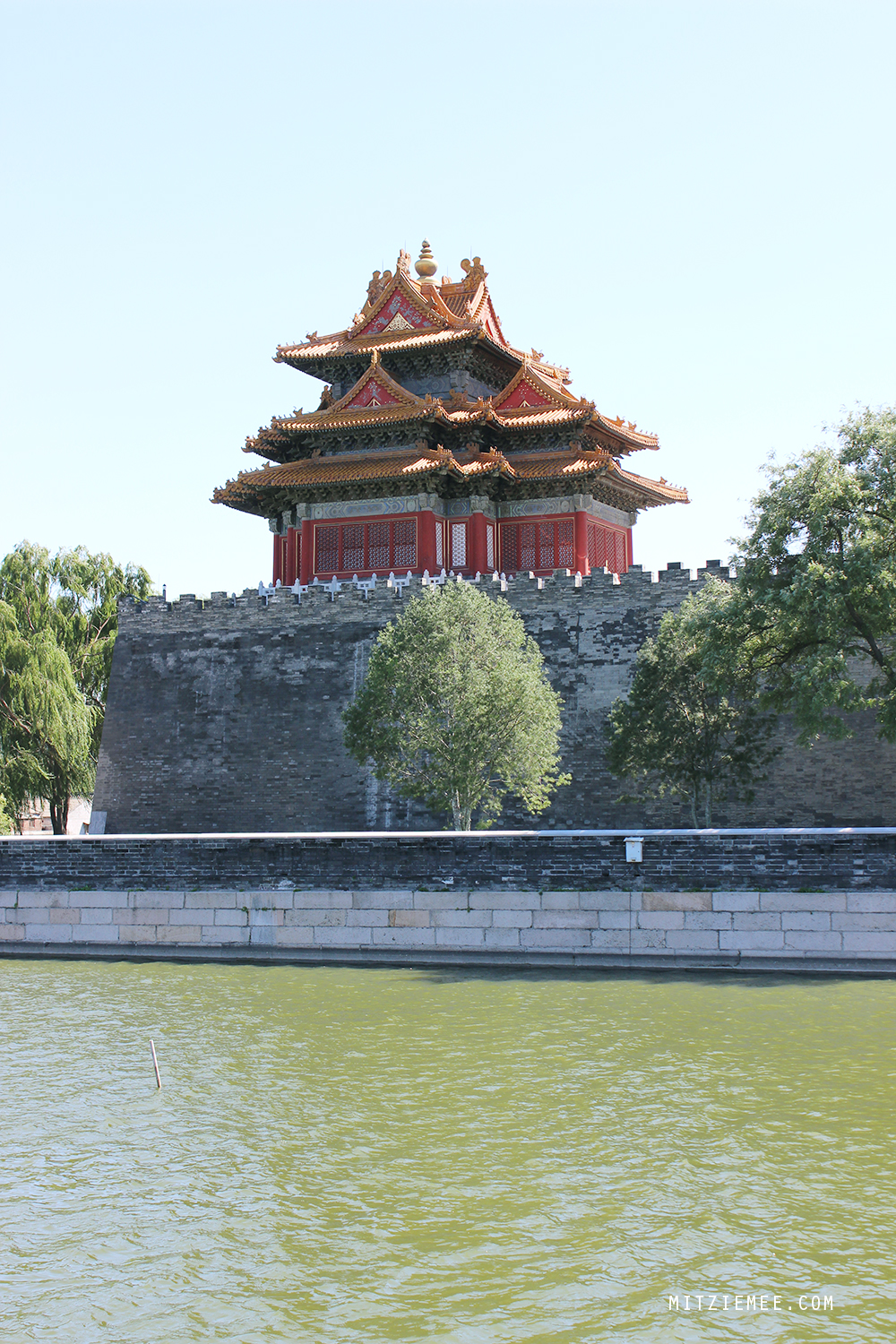
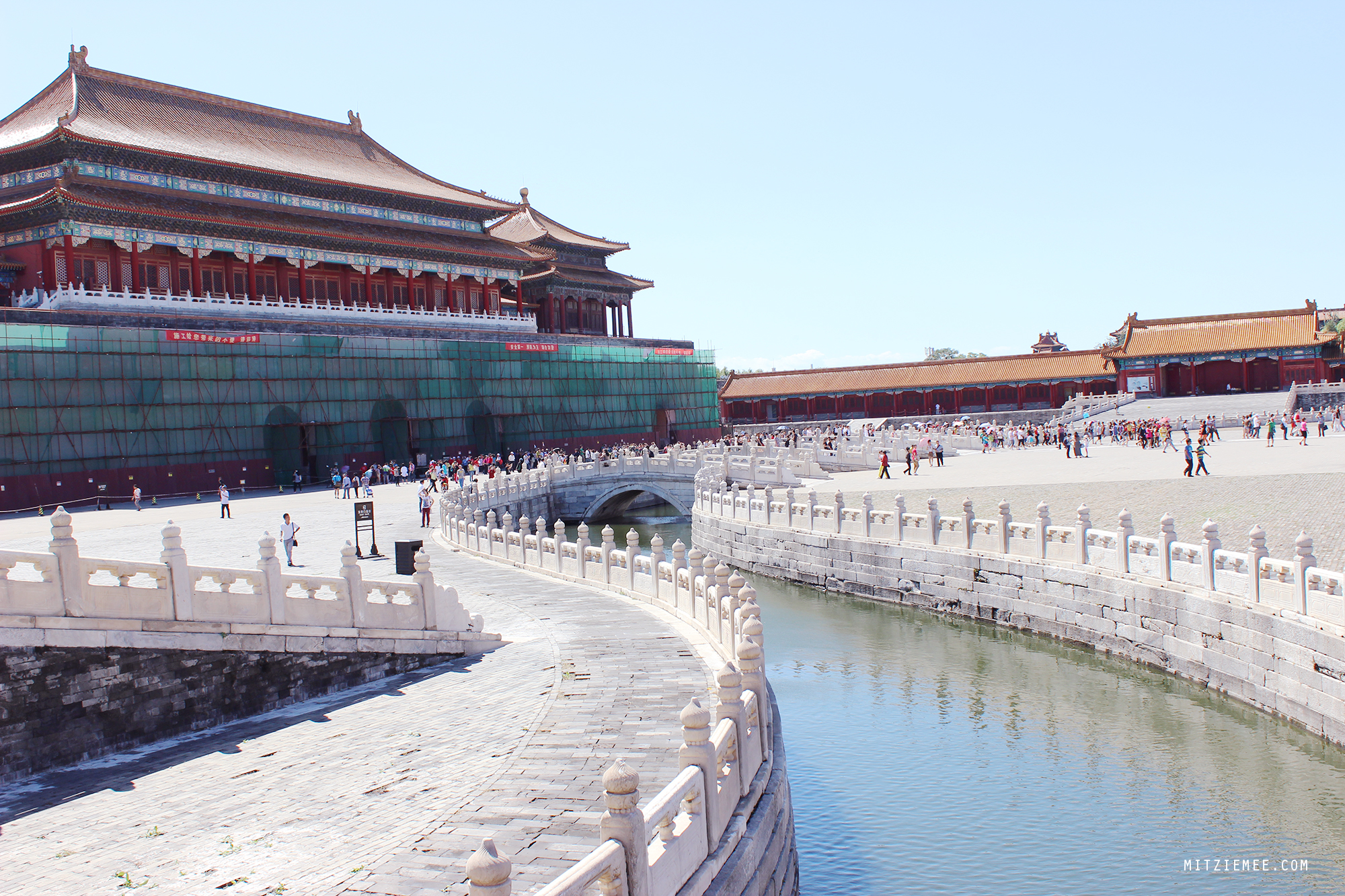
If you only have time for one historic landmark in Beijing, make it the Forbidden City. I’m usually not the biggest fan of traditional sightseeing, but this place completely won me over. It wasn’t just the beautiful architecture, but the sheer scale of the complex and the incredible history hidden behind those iconic red walls.
It’s hard to imagine that this vast palace complex was home to China’s emperors and the center of imperial power for nearly 500 years. Walking through the enormous courtyards and ceremonial halls gives you a much stronger sense of China’s history than you could ever get from reading about it.
The History of the Forbidden City
The Forbidden City is located just north of Tiananmen Square in the heart of Beijing. Construction began in 1406 during the reign of the Yongle Emperor of the Ming dynasty, who moved China’s capital from Nanjing to Beijing, and the palace was completed in 1420. From then until the abdication of the last Qing emperor in 1912, it served as the imperial residence of 24 emperors from the Ming and Qing dynasties.
Today, the complex is home to The Palace Museum, a UNESCO World Heritage Site.
The name Forbidden City comes from the fact that ordinary people were not allowed to enter. Access was reserved for the emperor, his family, court officials, eunuchs, concubines, and palace staff. For everyone else, the city behind the walls was strictly off-limits.
The palace complex covers approximately 720,000 square meters (178 acres) and includes 980 surviving buildings containing an estimated 8,700 rooms. You may have heard the story that the Forbidden City has 9,999½ rooms. That’s an old Chinese legend based on the belief that only the Heavenly Palace could have the perfect number of 10,000 rooms. The actual number is lower, but the story has survived for centuries.
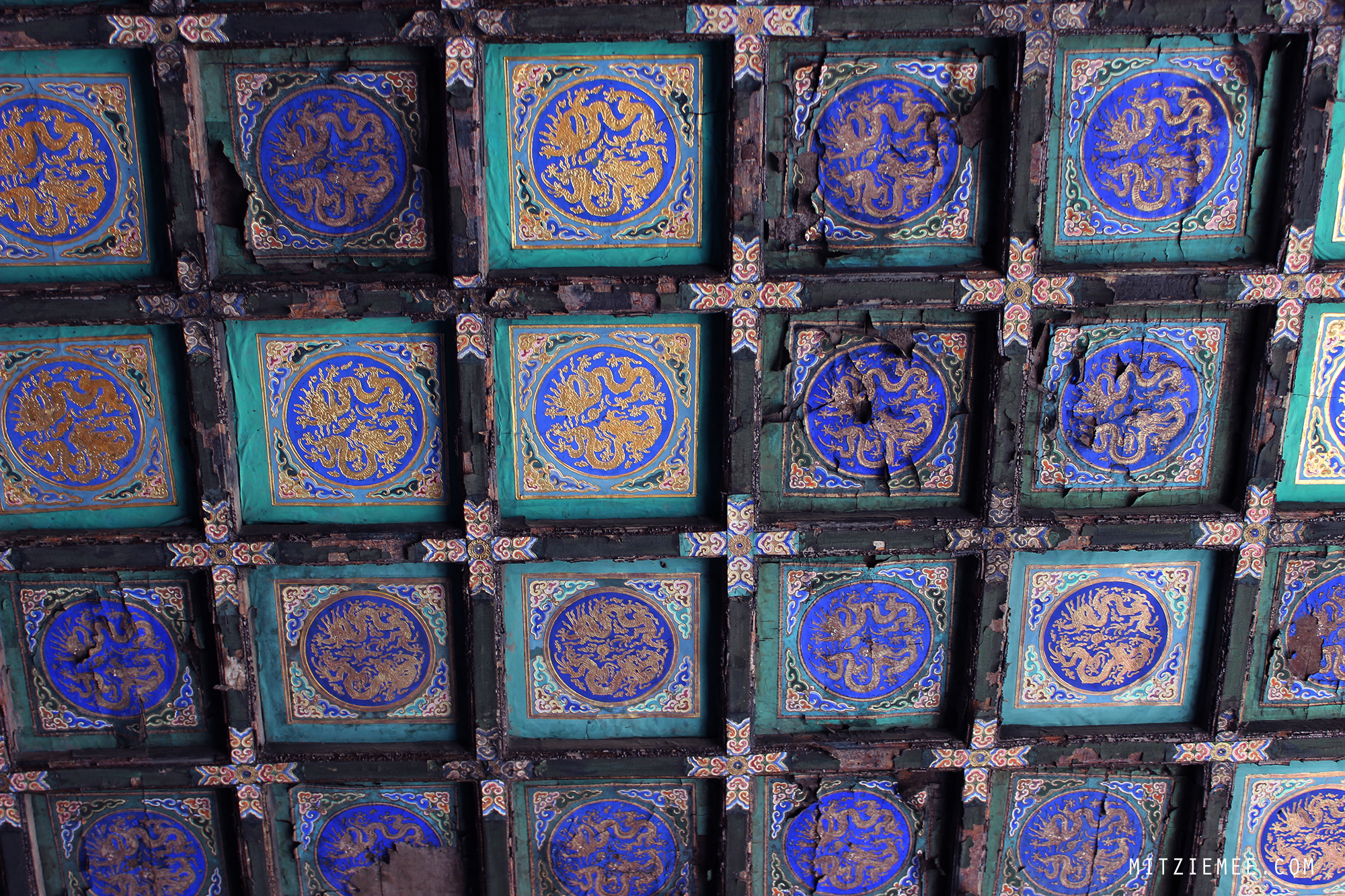
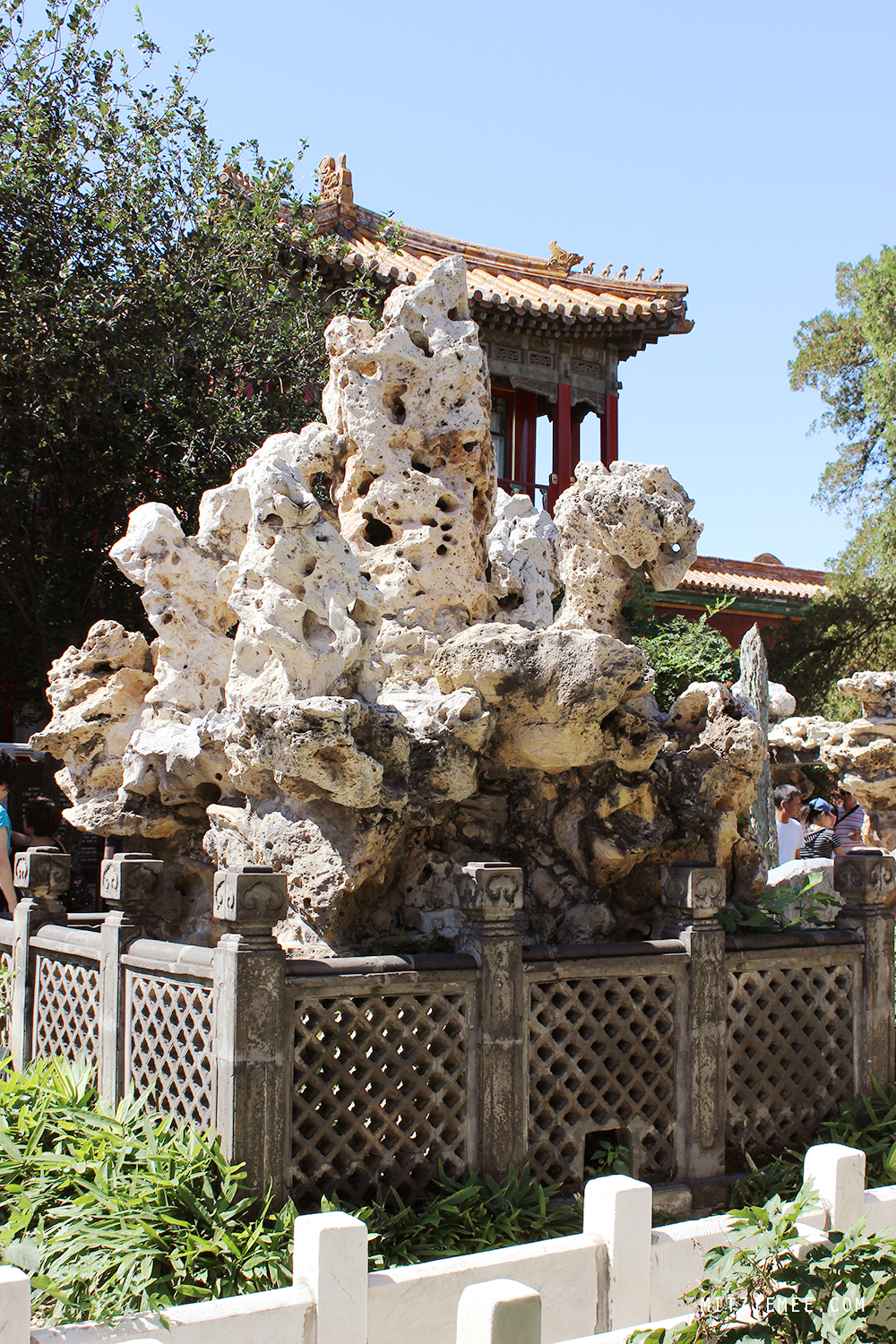
One of the most fascinating things about visiting is imagining what life was like behind the walls. The Forbidden City functioned almost as a city within a city, with residences, temples, offices, gardens, workshops, and ceremonial halls. Thousands of people lived and worked here, and every aspect of court life was governed by elaborate rituals and strict rules.
My Visit
I spent about three hours exploring the Forbidden City, which felt about right. There is an incredible amount to see, but after a while, many of the courtyards and halls start to blend together.
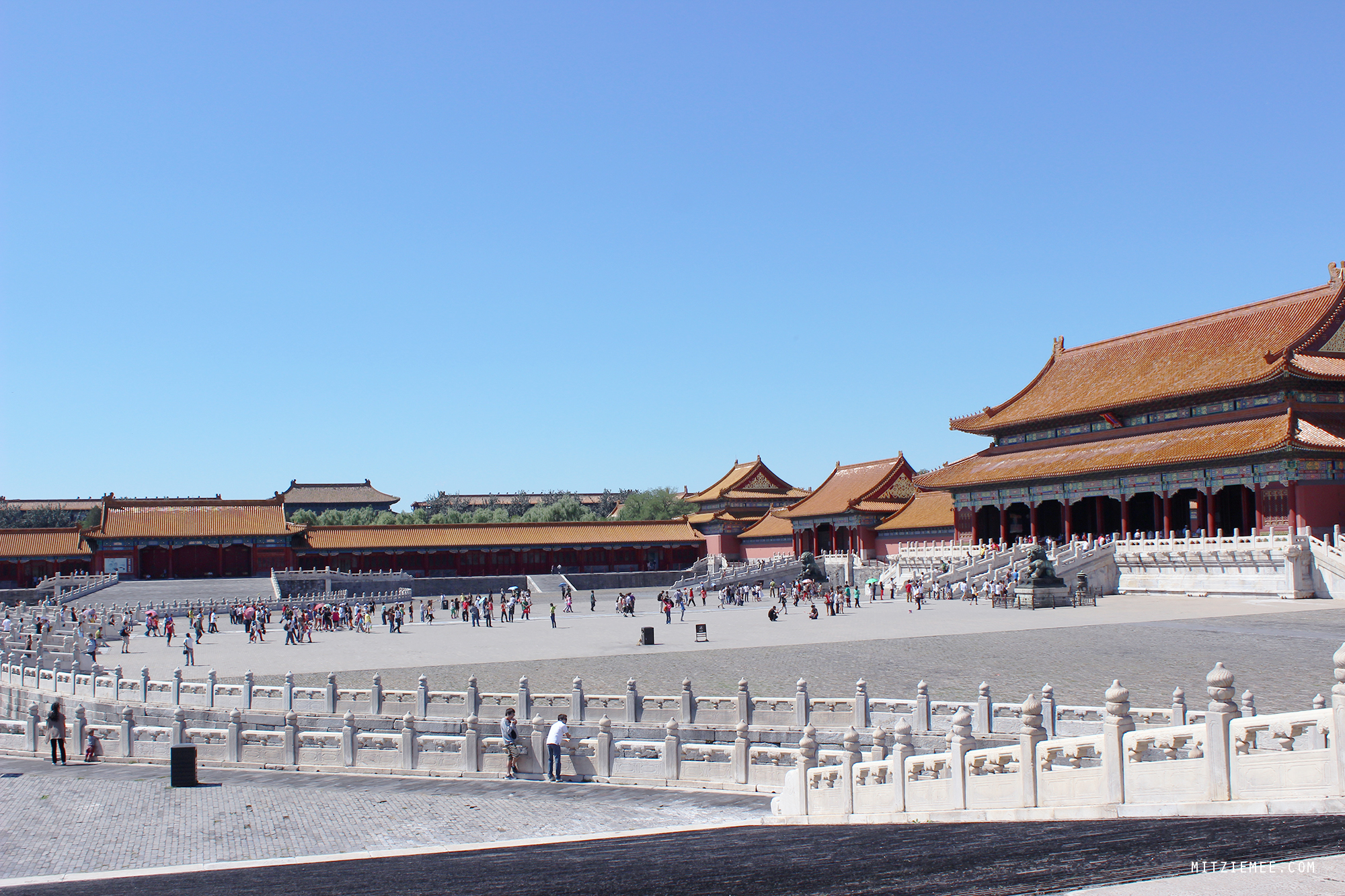
What impressed me most was the scale. You know the complex is enormous before you arrive, but it’s not until you keep walking from one courtyard to the next that you truly understand just how vast it is. Even if, like me, you don’t usually plan your trips around historical landmarks, the Forbidden City is difficult not to be impressed by. The architecture, the history, and the sheer size of the place made it one of the highlights of my time in Beijing.
Tips for Visiting
Book Your Ticket in Advance
Tickets must be reserved in advance, and daily visitor numbers are capped. During weekends, Chinese public holidays, and peak travel seasons, tickets often sell out well ahead of time.
Tickets are available through The Palace Museum’s official booking system or authorized ticket providers. Bring your passport, as tickets are linked to your passport number and you’ll need it for entry.
Arrive Early
The Forbidden City is one of China’s most visited attractions. The earlier you arrive, the smaller the crowds will be. Morning light is also much better if you’re planning to take photos.
I visited around midday, and the harsh overhead sun made photography much more challenging than I had expected.
Give Yourself Plenty of Time
Most visitors spend three to four hours exploring the palace complex. If you also want to visit the exhibitions inside The Palace Museum, you could easily spend an entire day here.
Wear Comfortable Shoes
You’ll be covering a lot of ground. Most of the route consists of large stone courtyards and pathways, and there’s very little shade along the way.
Bring Water
Beijing can be extremely hot during the summer, and much of the Forbidden City is exposed to direct sunlight.
Plan Your Route
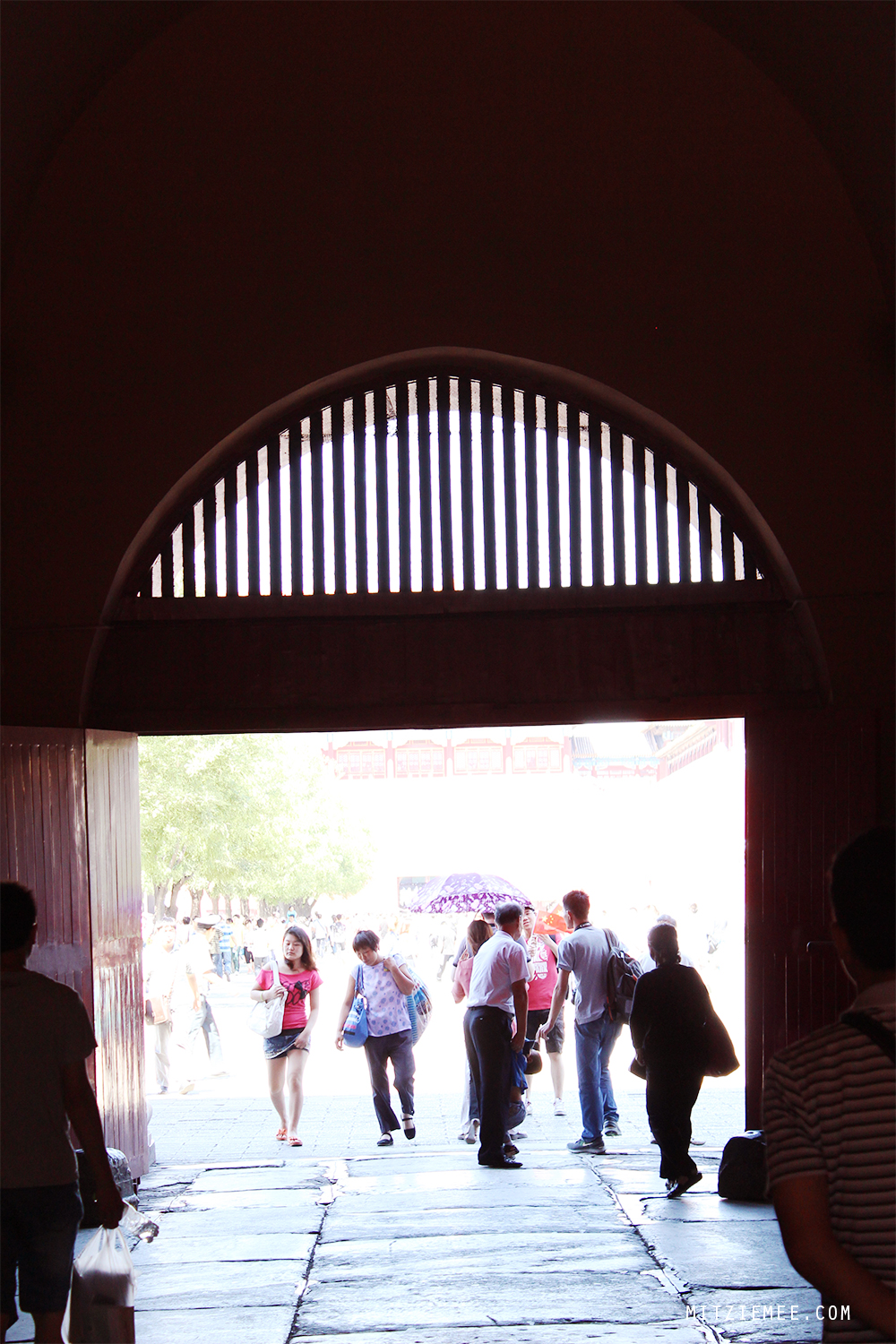
The standard visitor route runs from south to north. You’ll enter through Meridian Gate (Wu Men) and exit through Gate of Divine Might (Shenwu Men). Along the way you’ll pass some of the complex’s most important buildings, including Hall of Supreme Harmony (Taihe Dian), the largest and most impressive hall in the entire palace.
Visit Jingshan Park Afterwards
After leaving through Gate of Divine Might (Shenwu Men), you’ll find Jingshan Park directly across the street.
The park is built around Jingshan Hill, an artificial hill created from the earth excavated during construction of the moat surrounding the Forbidden City in the early Ming dynasty.
Walk up to Wanchun Pavilion at the summit for the classic panoramic view over the sea of golden rooftops. It’s easily the best place to appreciate just how enormous the Forbidden City really is.
Good to Know
The Palace Museum is normally closed on Mondays, except on certain national holidays.
All visitors must pass through a security screening before entering, so allow extra time.
Large suitcases and oversized luggage are not permitted inside.
Audio guides are available in several languages, including English.
If possible, avoid visiting during major Chinese holidays such as Golden Week, when visitor numbers are exceptionally high.
Book your guided tour at the Forbidden City here