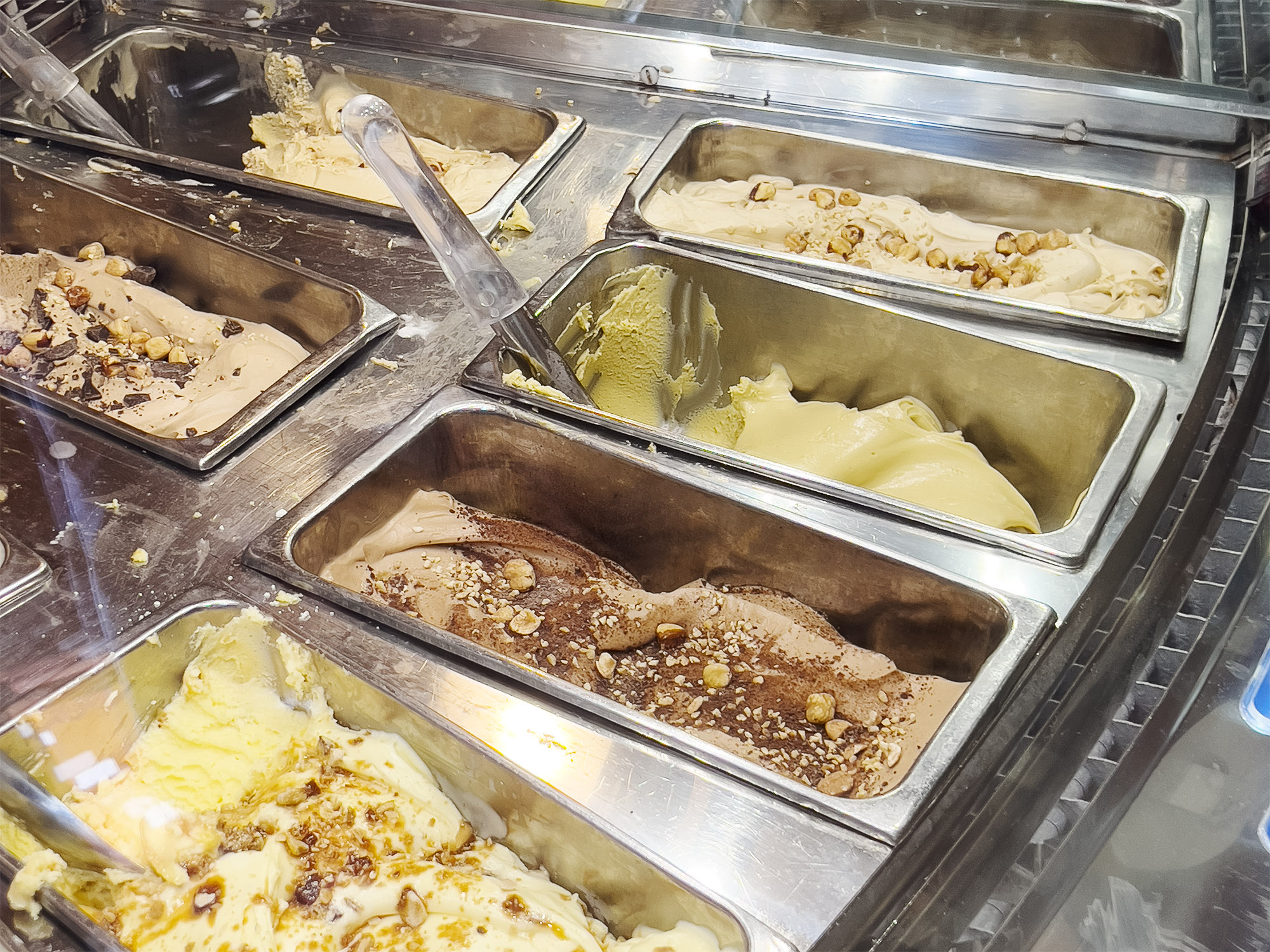
Over the years, I’ve eaten a lot of gelato. In Italy, of course, but also at gelato shops in New York, Tokyo, and pretty much anywhere else I come across one that looks promising. Some have been amazing, others not so much, and by now I’ve gotten fairly good at spotting the places that are worth trying.
Gelato isn’t just the Italian word for ice cream. It’s made and served differently from regular ice cream, and when it’s really good, you notice immediately. It’s creamy and intensely flavored, but it shouldn’t feel heavy or overly sweet. Gelato is typically made with more milk and less cream than traditional American ice cream, and many flavors are made without eggs.
Compared to regular ice cream, gelato is churned with less air, which gives it a denser, smoother texture. It’s also served at a slightly warmer temperature, so it’s softer when it reaches your spoon and you can taste the flavors right away.
So how do you spot good gelato? There are a few things I usually look for before ordering and I hope this little guide helps you find the good stuff, whether you're in Italy or anywhere else in the world. Because life’s too short for bad gelato:)
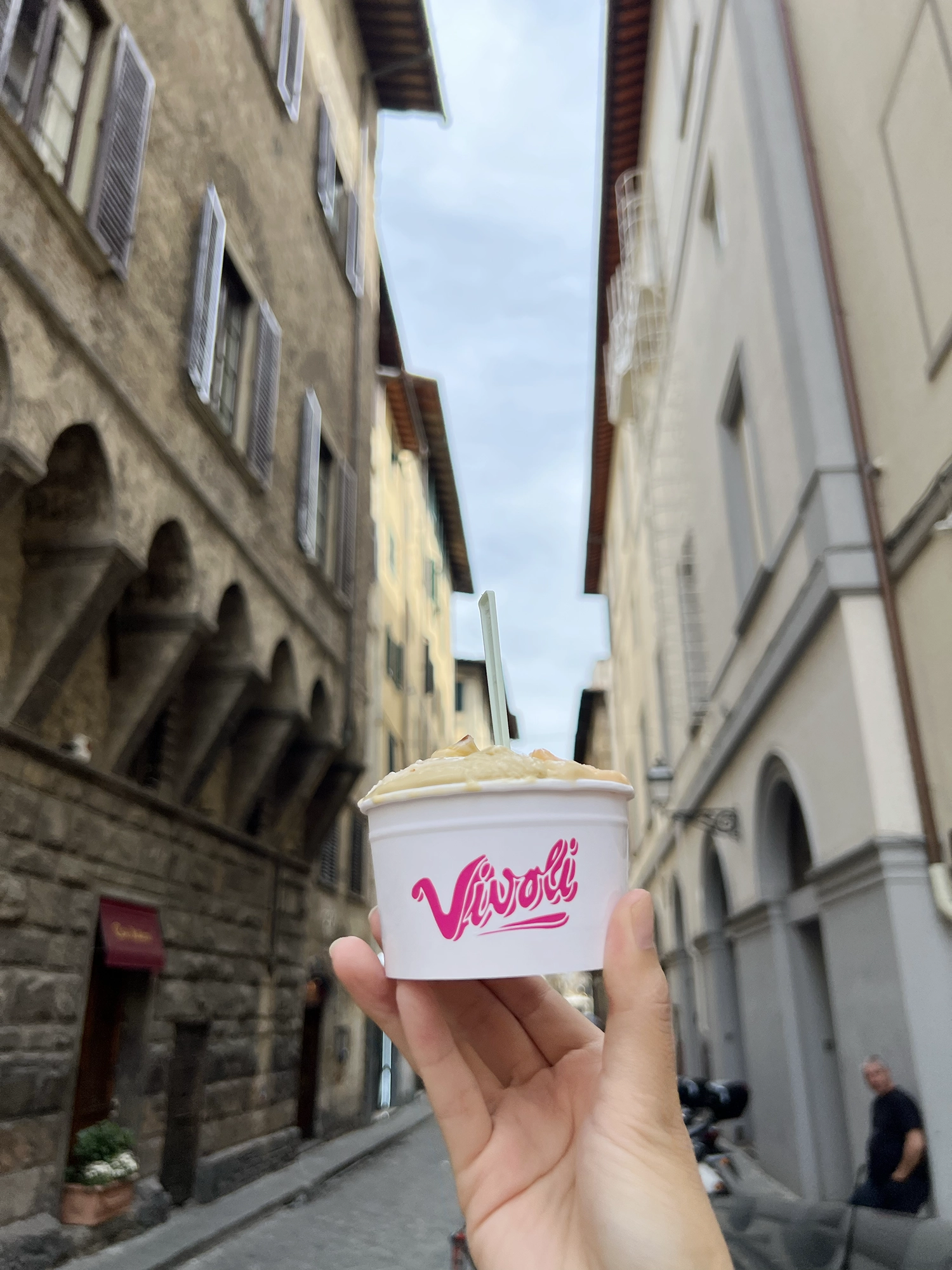
And the best gelato I’ve ever had? Vivoli in Florence. Vivoli is the oldest gelateria still operating in Florence, and definitely one to know if you love gelato.
Look at the colors
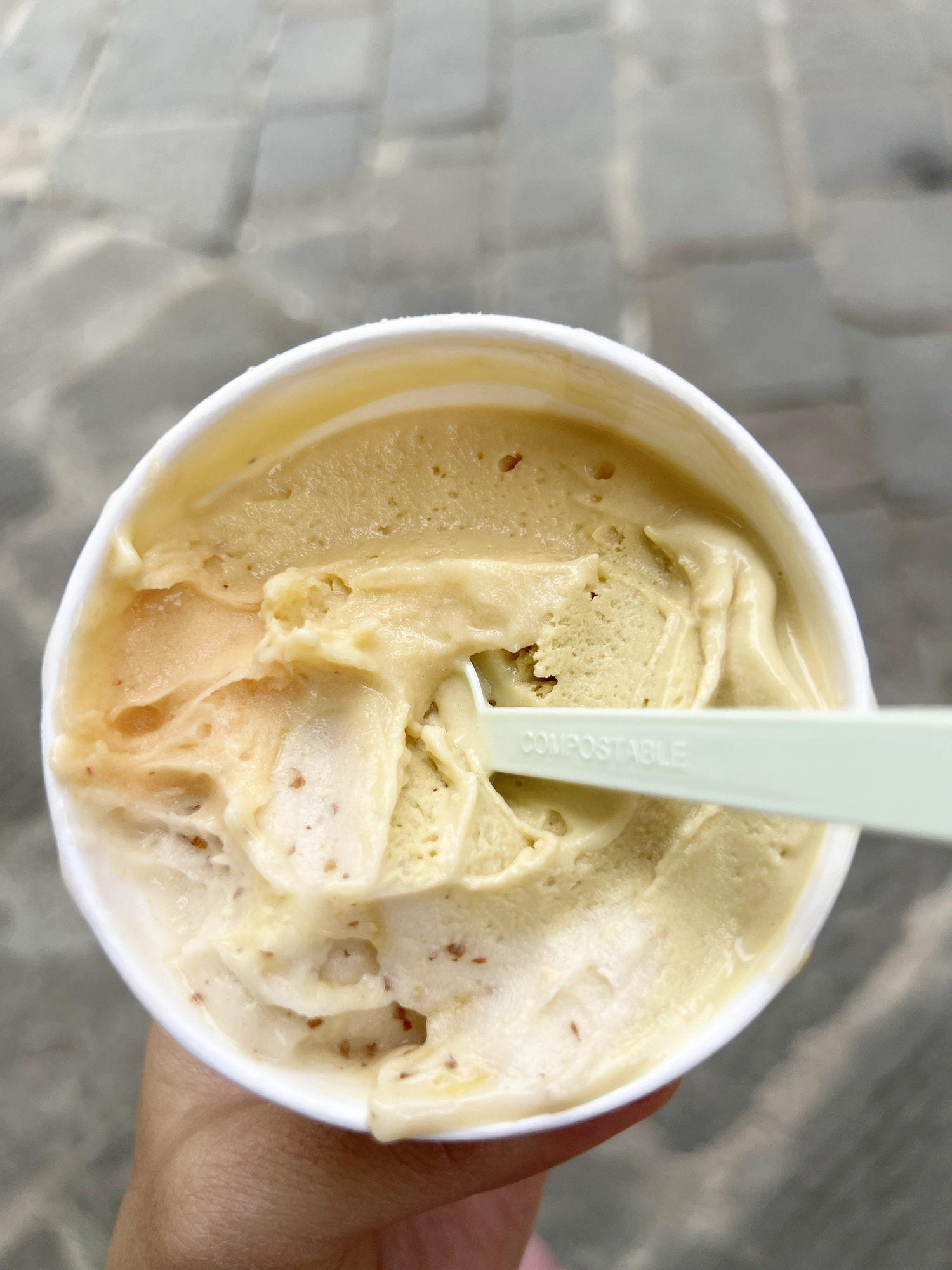
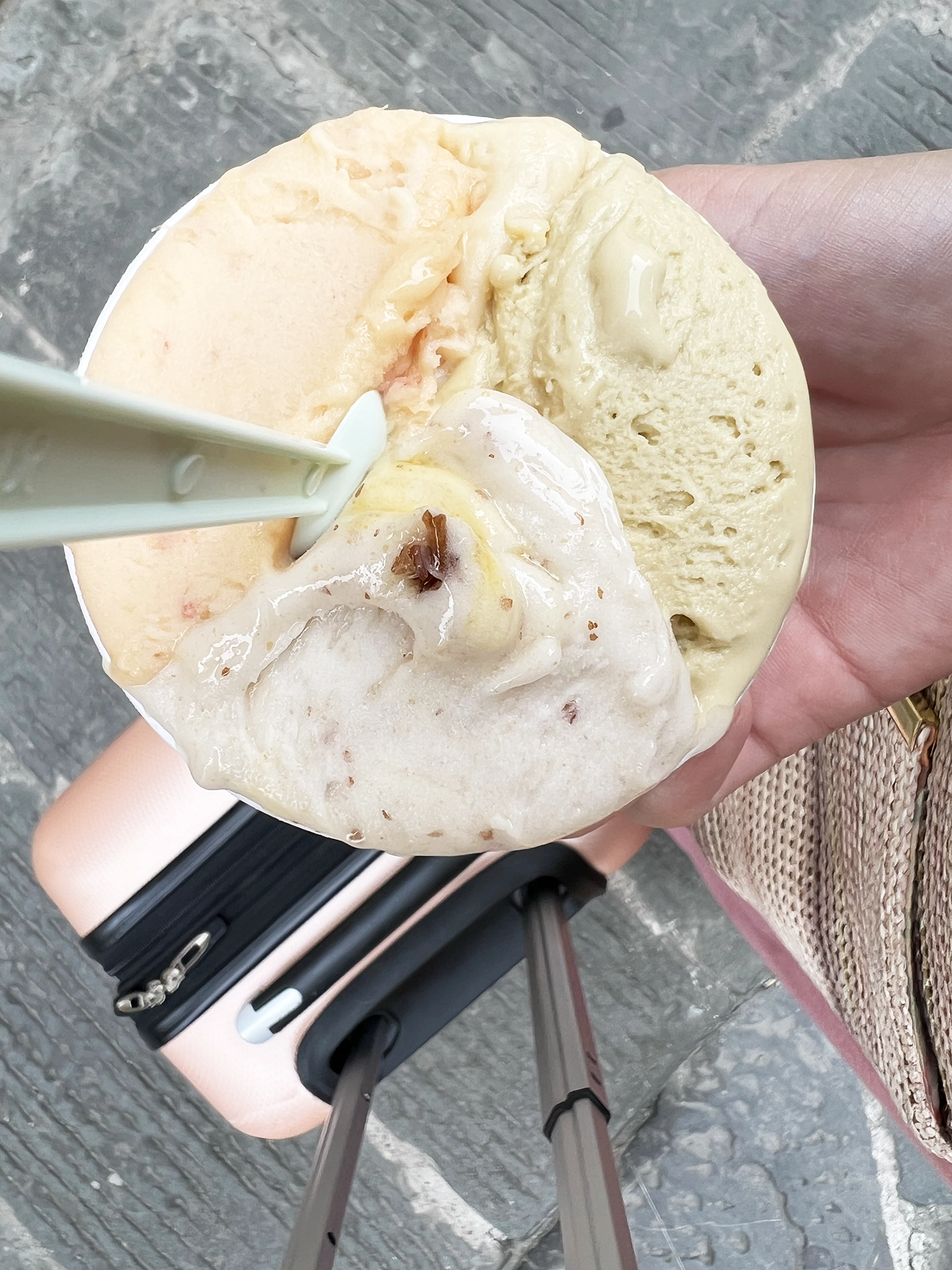
Pistachio is the one I always look at first. Real pistachio gelato usually has a muted greenish, olive, or beige color. If it’s bright green, I get suspicious. The same goes for lemon. It should be pale yellow or almost white rather than bright yellow. In general, natural-looking colors are a good sign.
Look at the display
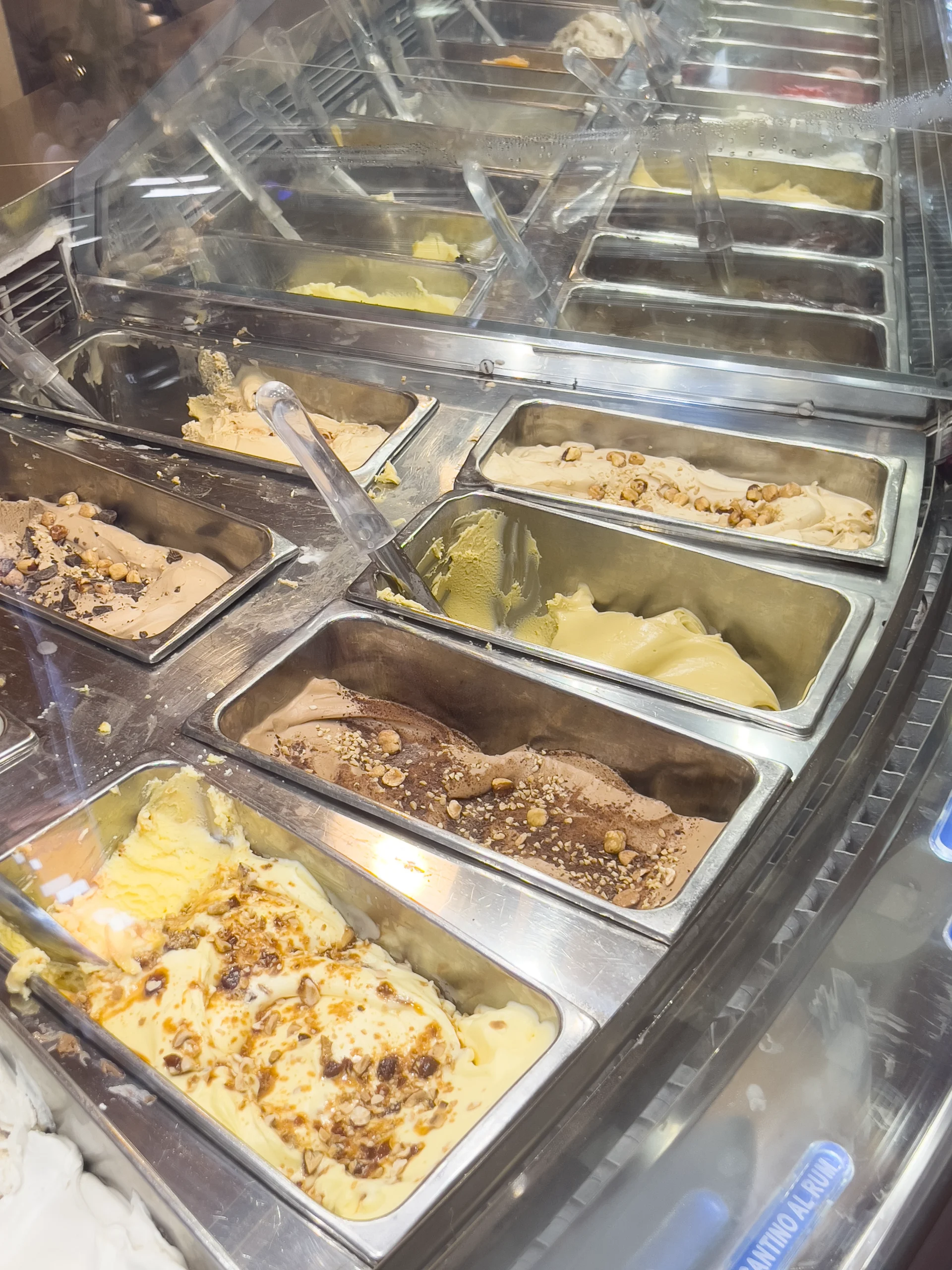
Those big mountains of gelato piled high above the tubs might look tempting, but they’re usually not what I’m looking for. I prefer places where the gelato sits lower in the containers, and some of the best gelaterie keep it in covered metal containers, known as pozzetti.
It might not look quite as impressive in photos, but I’m there for the gelato.
Check the number of flavors
I’m also a little skeptical when a small gelato shop has 40 or 50 different flavors. I’d rather see a smaller selection that changes with the season.
If you’re unsure, ask whether the gelato is made on-site. It doesn’t guarantee that it will be good, but it’s usually a good place to start.
Check the texture
Good gelato should be smooth and creamy, without noticeable ice crystals. It should be soft enough to scoop easily, but it shouldn’t be runny or gummy.
Most importantly, the flavor should actually taste like what it says on the label. Pistachio should taste like pistachios, lemon should taste fresh and tart, and hazelnut should taste like hazelnuts, not just sugar.
See where the locals go
A line can be a good sign, particularly in Italy, but I’m more interested in who is standing in it than how long it is. If a place is busy with locals, especially later in the evening when everyone seems to be out for gelato, I’ll usually take that as a good sign.
You don’t need to turn gelato shopping into a science, but these little things make it easier to avoid the obvious tourist traps. And when you do find a really good gelateria, order two flavors. Choosing just one is unnecessarily difficult.

My Favorite Ice Cream Maker