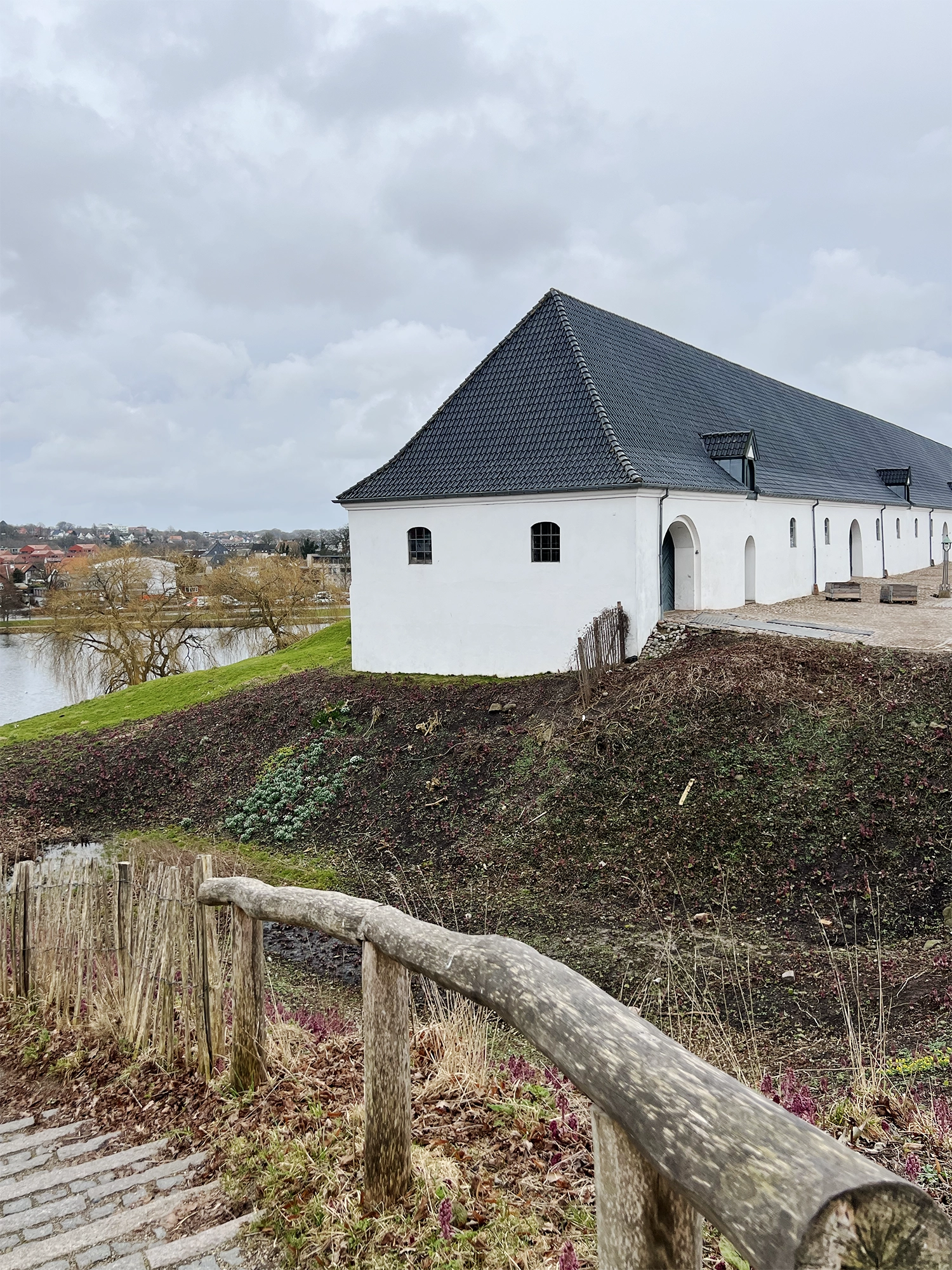

Staldgården is located right next to Koldinghus in the center of Kolding. Originally, it served as the castle’s stable yard and service complex, where supplies, horses, and the day to day operations were handled. Today, Staldgården is part of Museum Kolding and houses several different exhibitions, but it is best known for its focus on the German occupation during World War II.
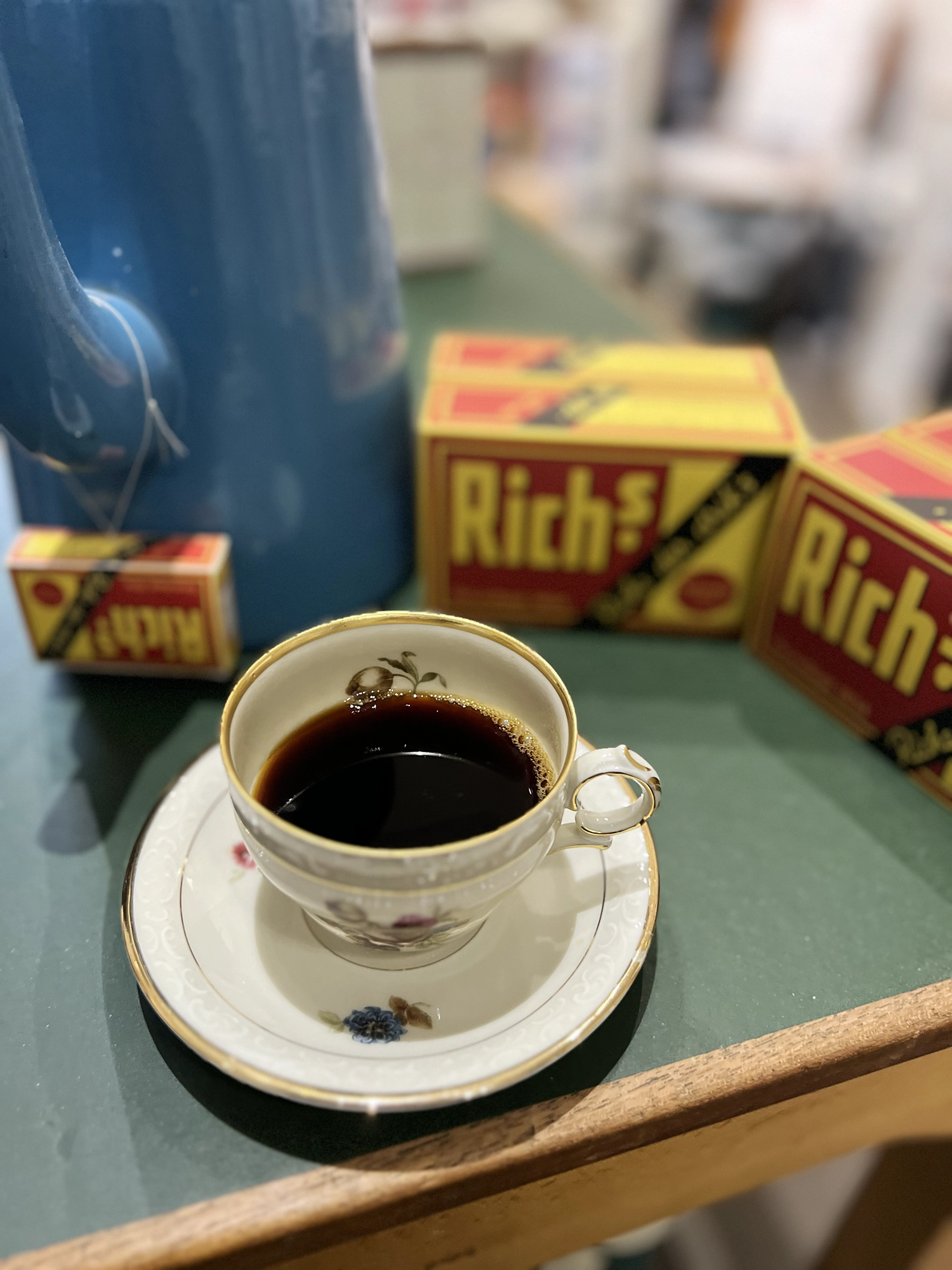
My visit began with a cup of “Rich’s,” a coffee substitute people drank during the war years, when real coffee was rationed and difficult to get. It was made from roasted grains and chicory, and the flavor is milder and rounder than regular coffee, without the same bitterness. It felt like a thoughtful way to start the visit, immediately grounding the experience in everyday life during the occupation and the compromises people had to make.
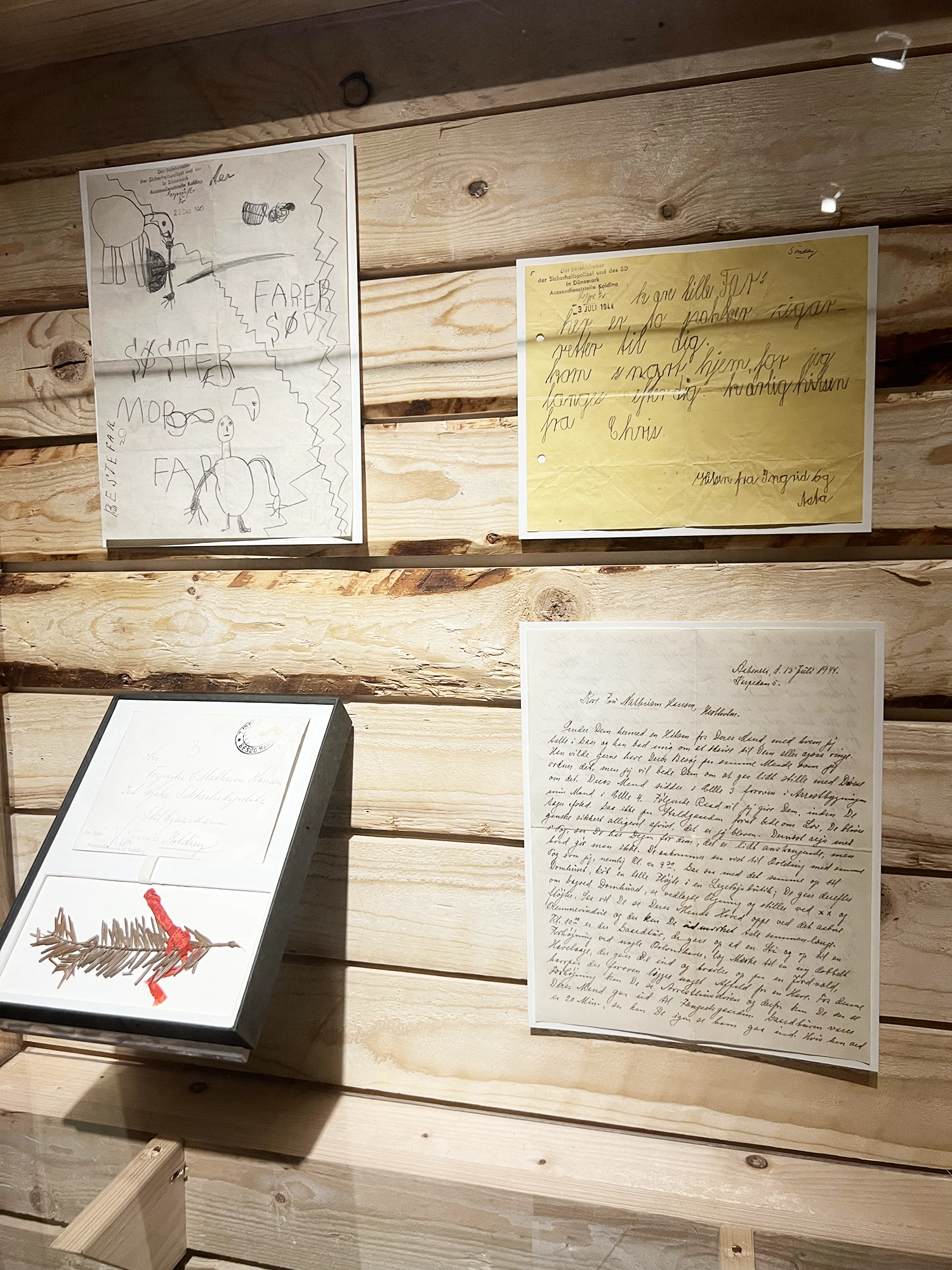
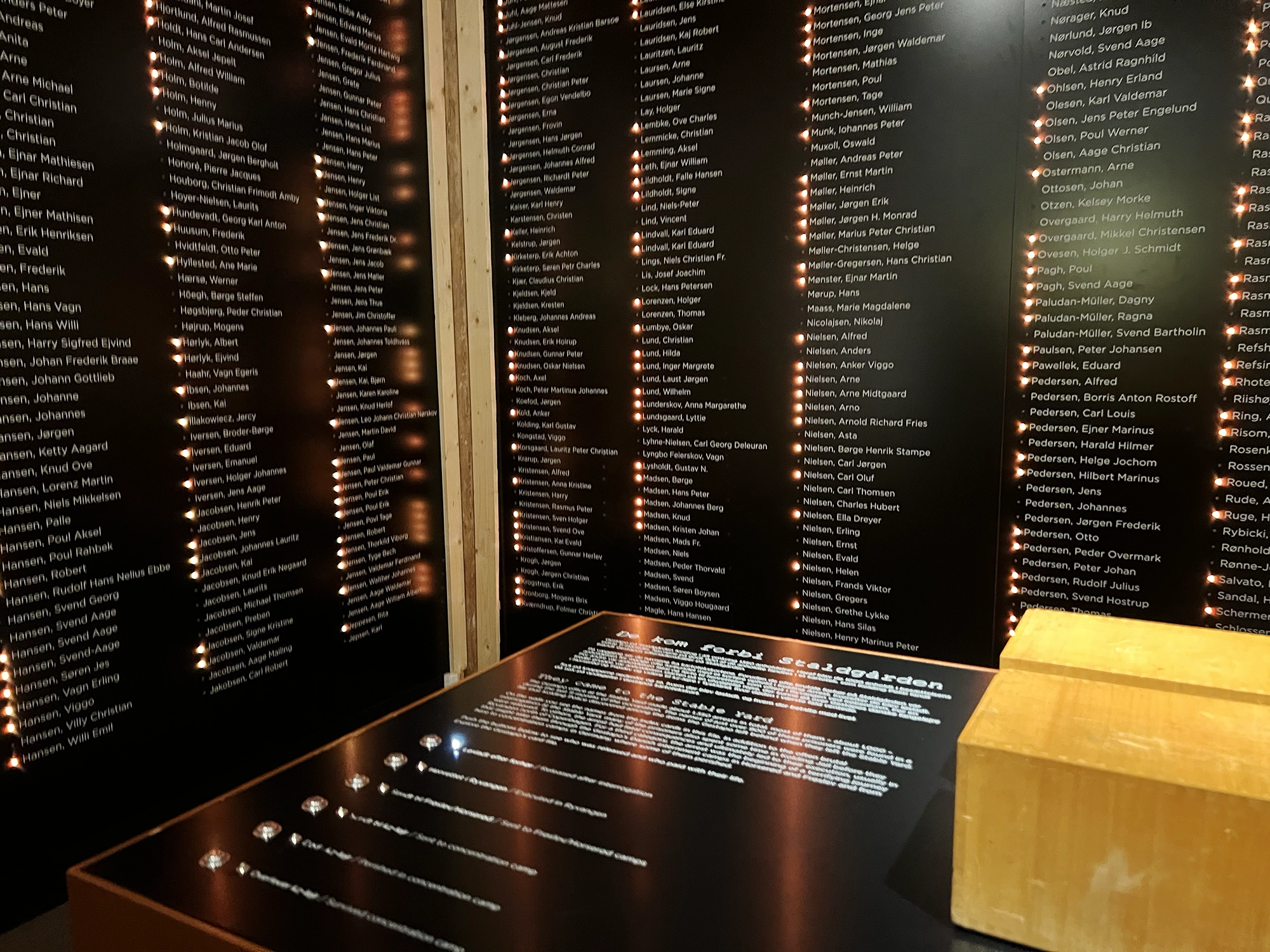
During the final years of the war, the Gestapo had their regional headquarters at Staldgården in Kolding, operating from here across Southern Jutland. This was also where many members of the Danish resistance were brought for interrogation and, in some cases, subjected to torture before being sent on to prisons or concentration camps. That history forms the core of the museum.
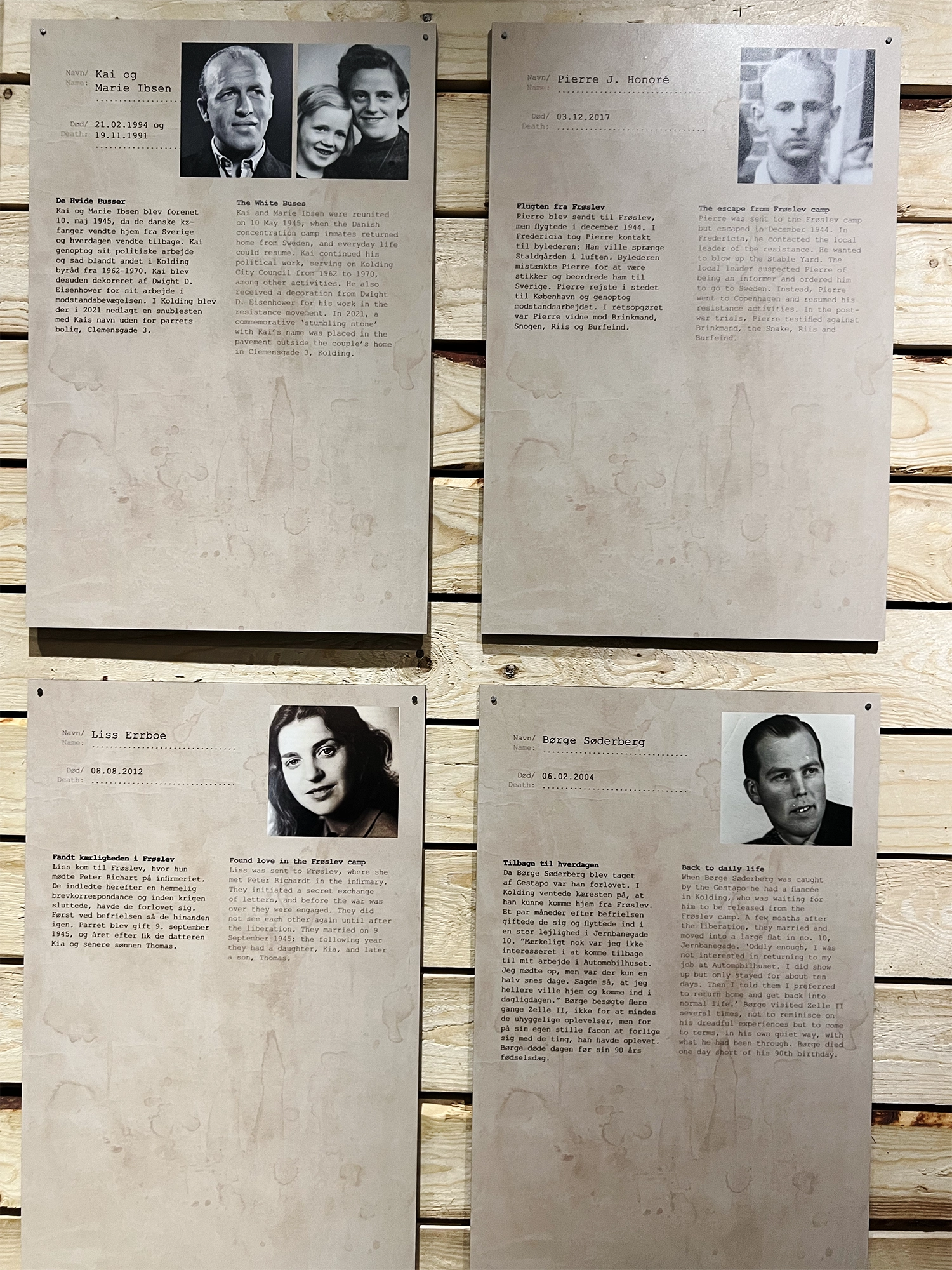
Instead of presenting a traditional chronological overview, the exhibition is built around personal stories. You follow individual lives, both resistance fighters and those who worked for the Gestapo, and see how their paths intersected during the occupation. It makes the experience feel immediate and deeply human, and it gives a clear sense of the impossible choices people were forced to make under constant threat.
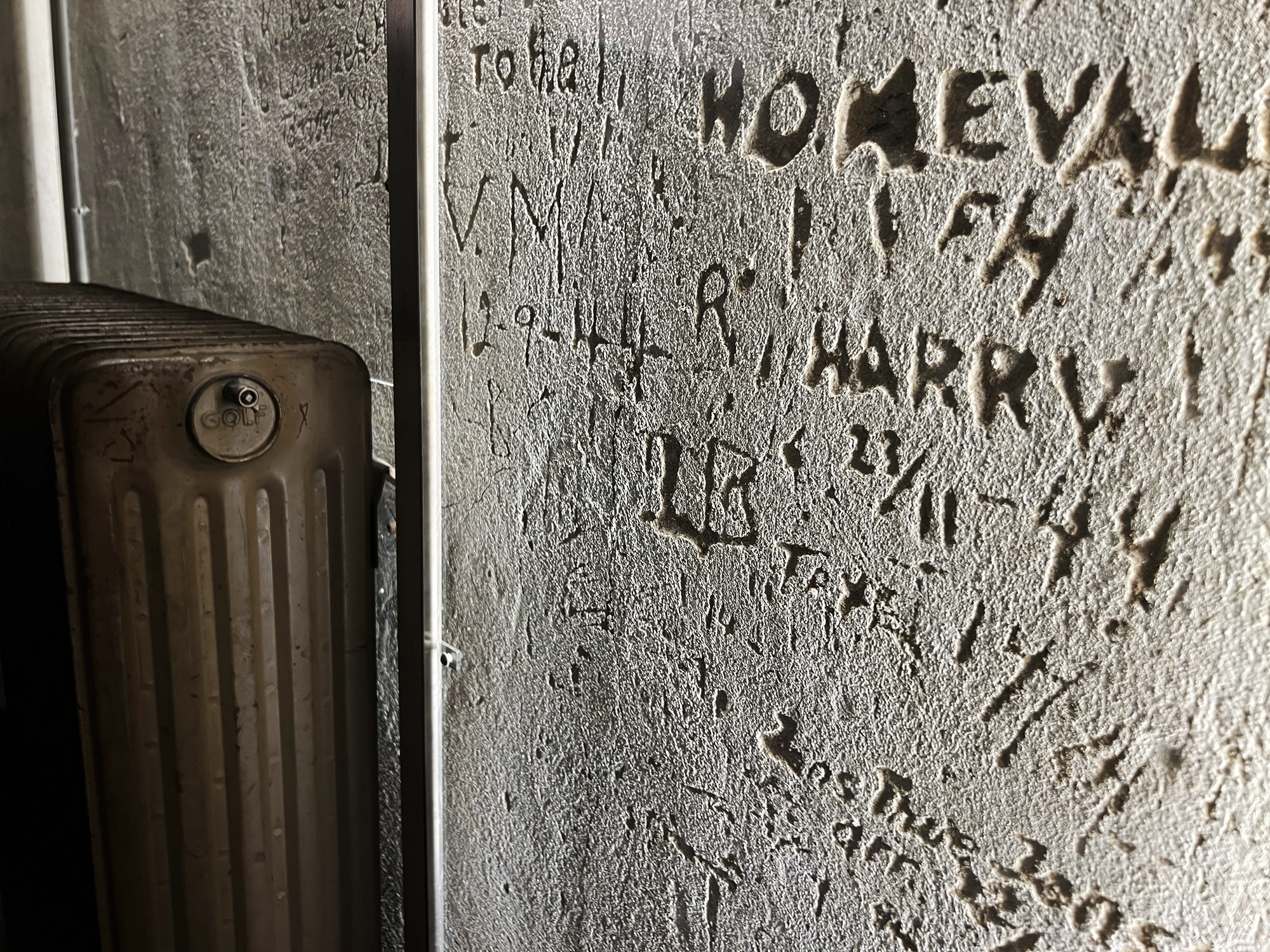
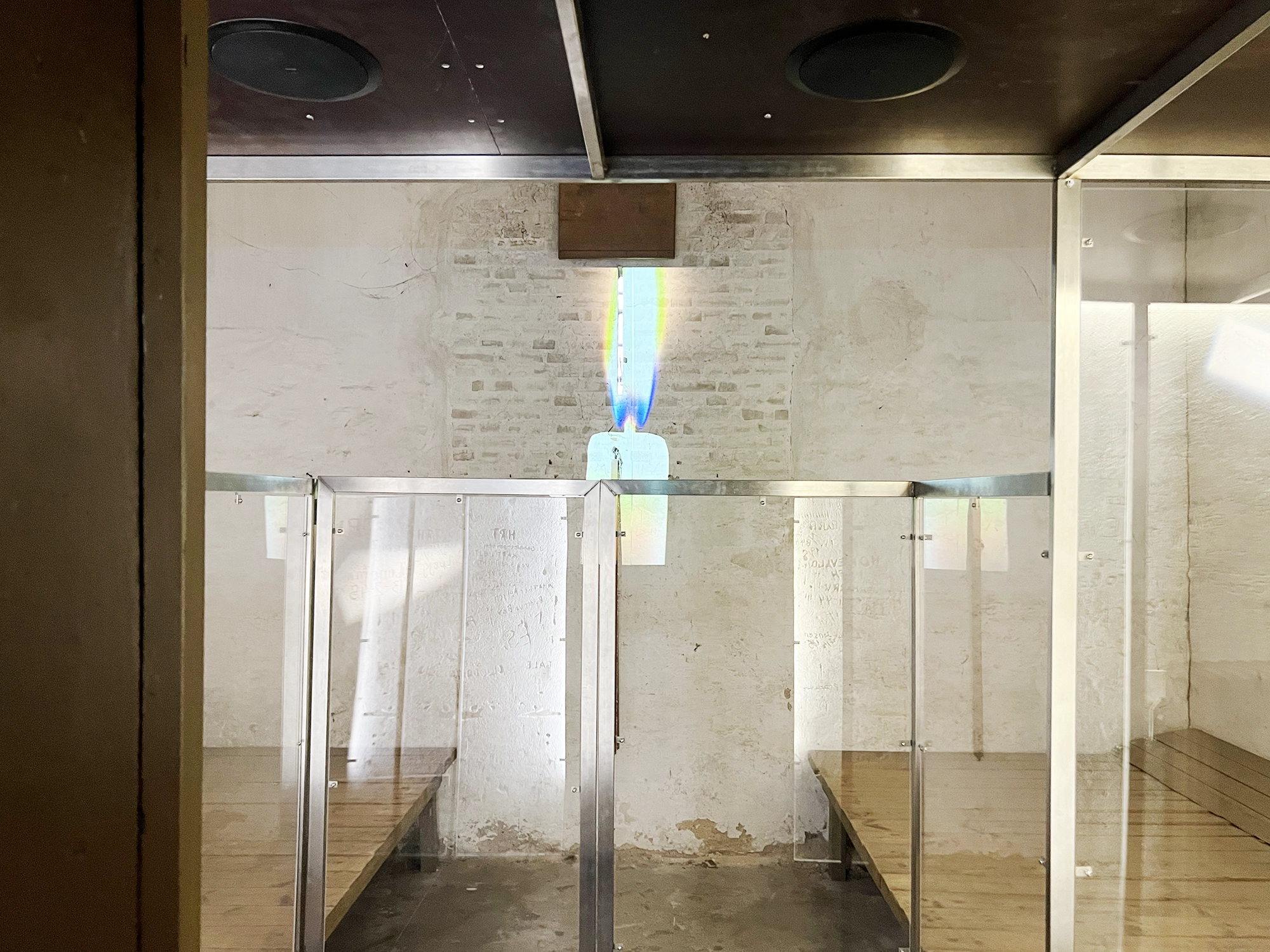
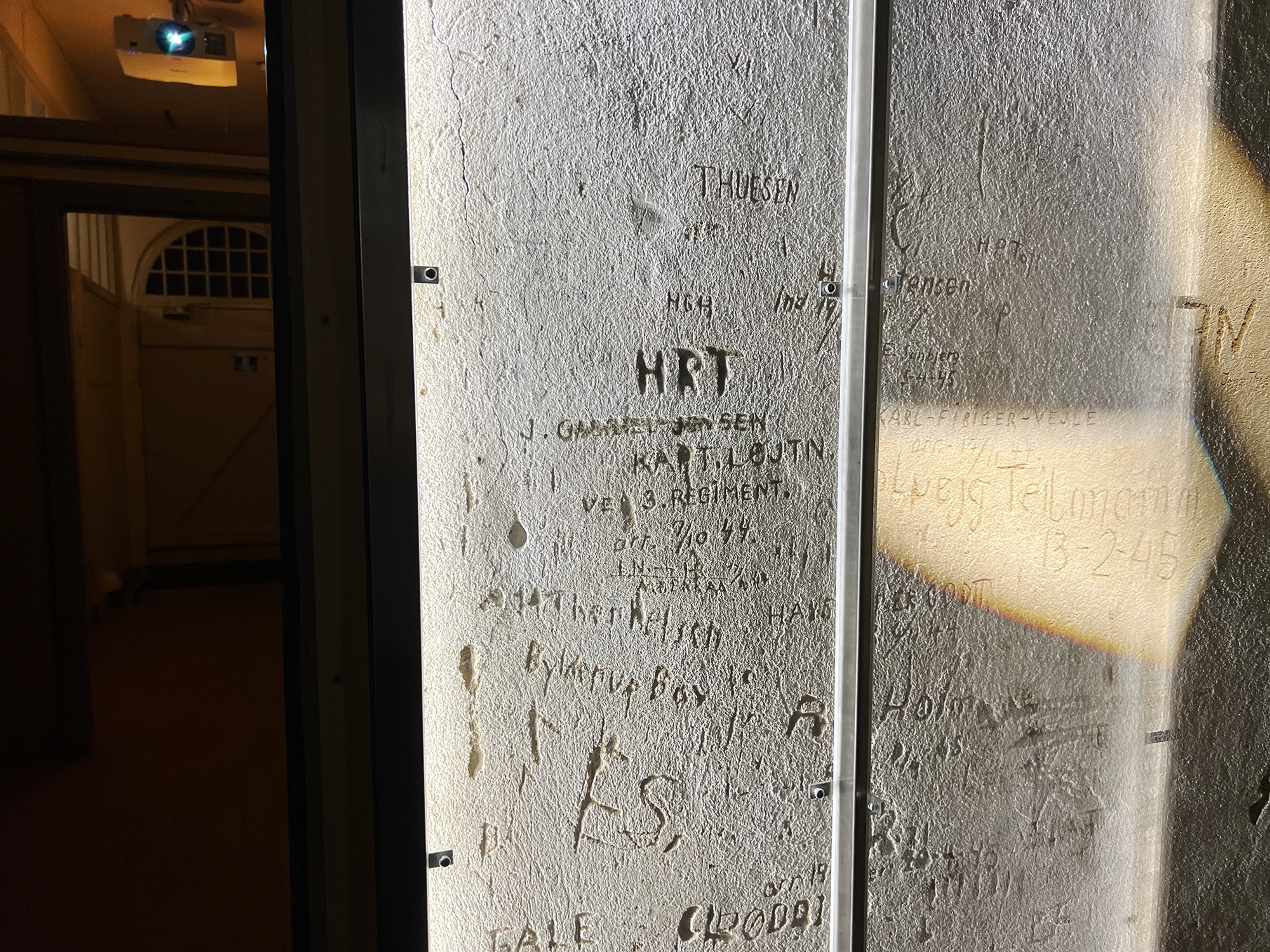
The most powerful part of the visit is without question Zelle II, one of the cells the Gestapo established at Staldgården, and the only one of its kind preserved in Denmark. This is where resistance members were held while waiting to be interrogated, and where some of them passed the time by scratching their names into the walls. Those markings are still there, and they make everything feel painfully real.
The experience inside Zelle II is staged with light and sound. You sit in the dark while first person narratives unfold around you. There are three different sequences, each offering a glimpse into the fear, uncertainty, and individual fates tied to this place. It is not an easy experience, but it is incredibly effective in conveying what it must have felt like to be there. I found myself tearing up when one of the sequences ended with the text from Kaj Munk’s Den Blå Anemone, a poem written during the occupation that became a quiet symbol of hope and resistance. Kaj Munk was a Danish pastor and playwright who openly criticized the German occupation and was murdered by the Gestapo in 1944.
Visit the Museum Kolding – Staldgården website
My blog about The Heart of Jutland
Curious about this part of Denmark? Visit The Heart of Jutland’s website or check out their instagram @theheartofjutland