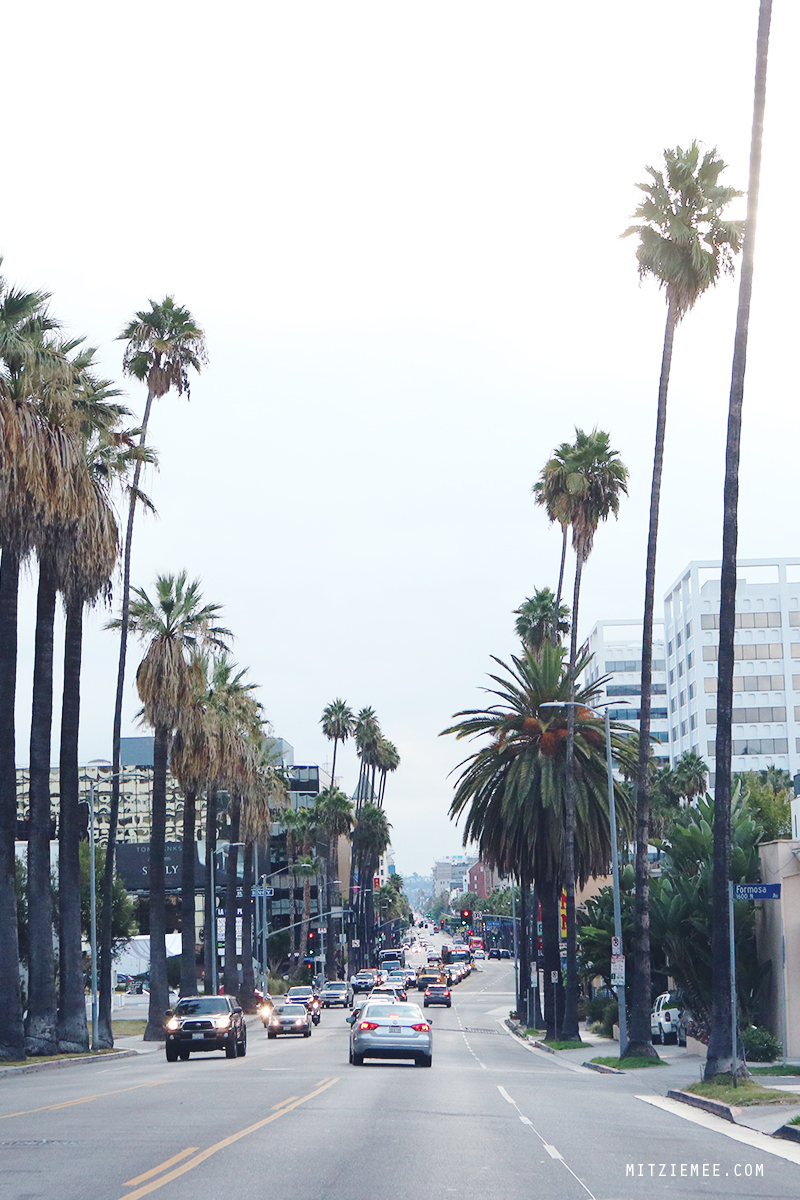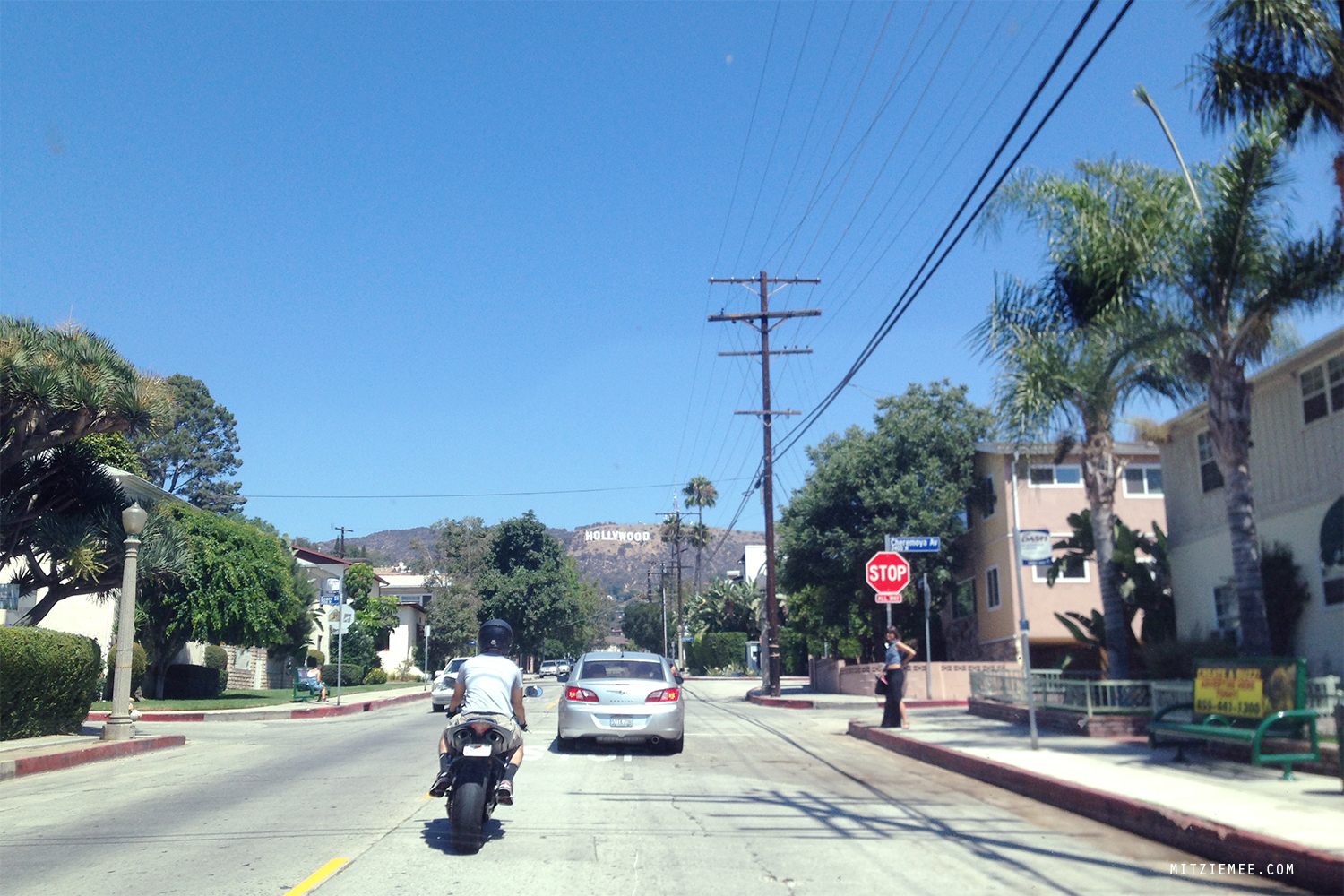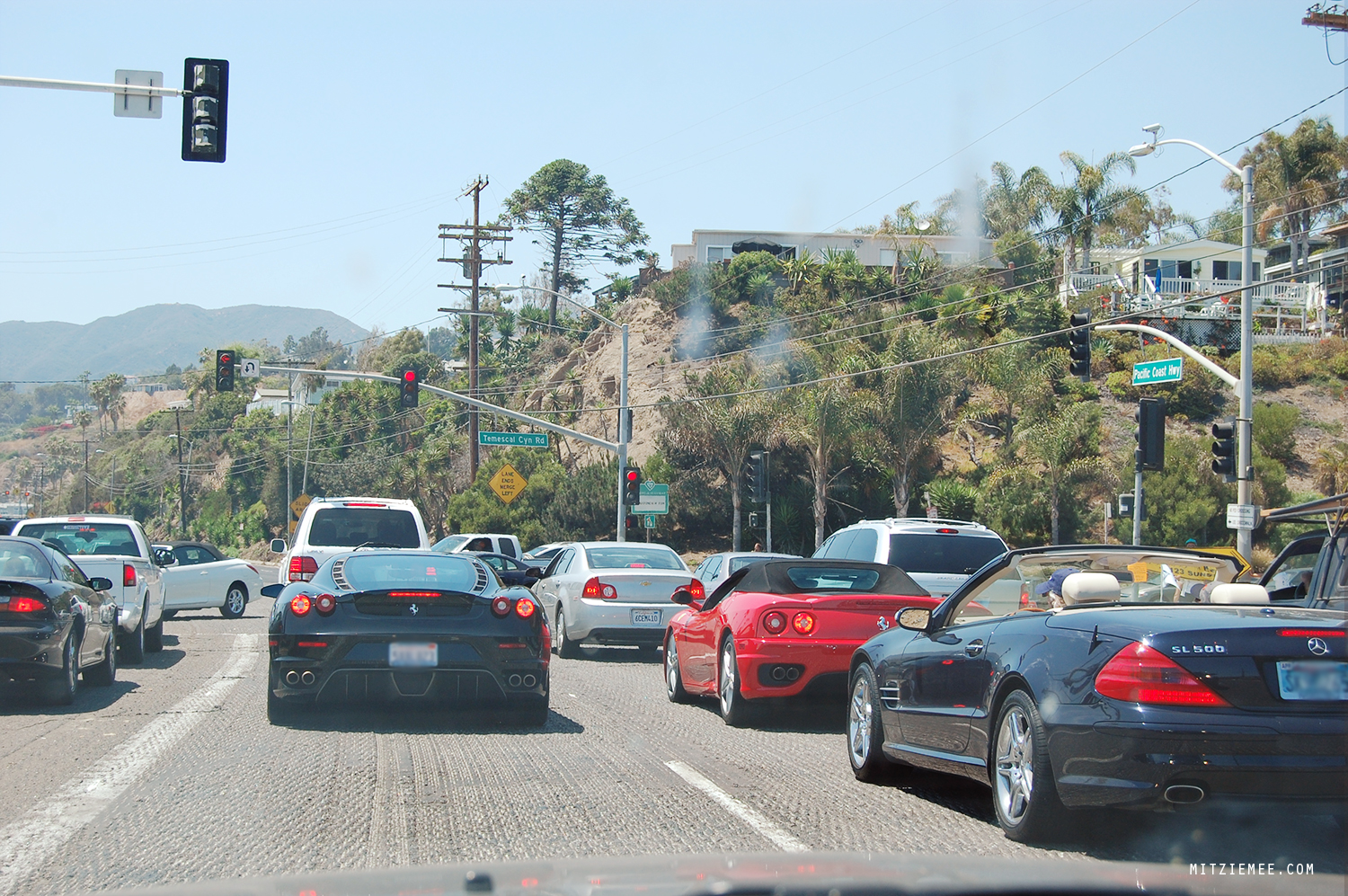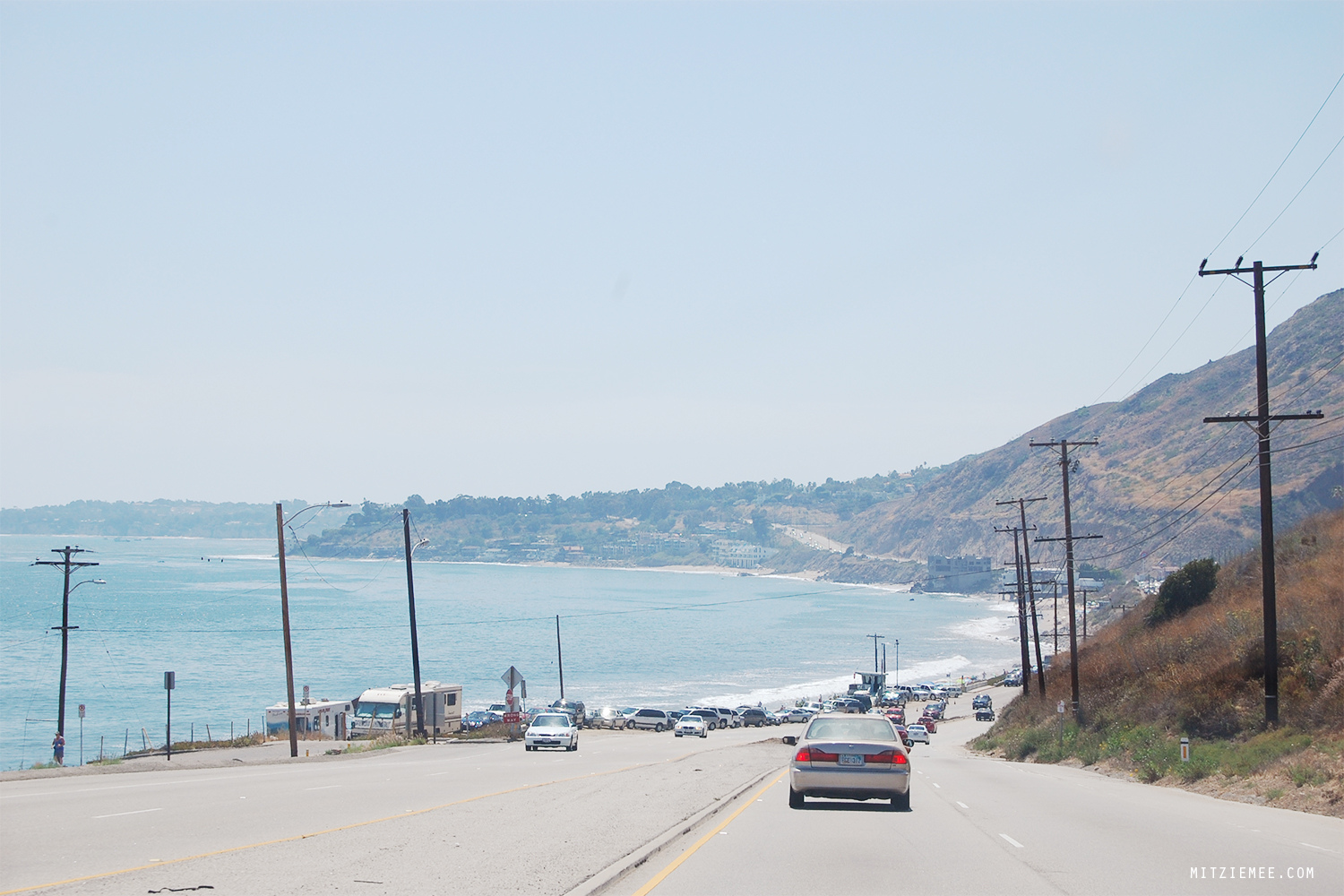
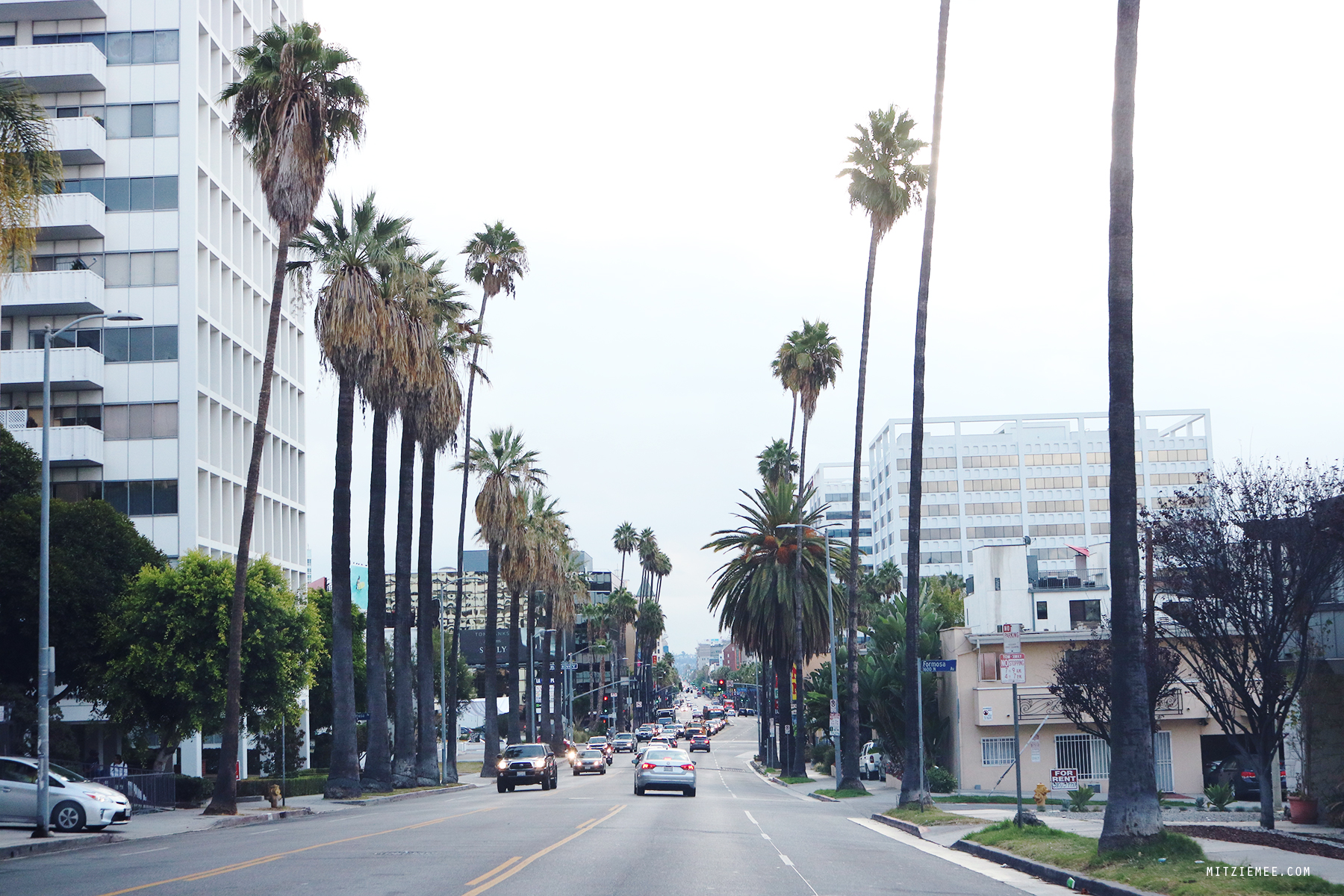
The first thing most visitors notice about Los Angeles is the scale of the city. Distances that look manageable on the map can easily turn into a 45 minute drive, and sometimes much longer if traffic is heavy. Santa Monica, Hollywood, Beverly Hills, Downtown, and Malibu are all part of the same city, yet they feel like separate worlds spread across a huge area. Unlike many European cities, Los Angeles does not really have a traditional walkable city center, and most neighborhoods are built with cars in mind.
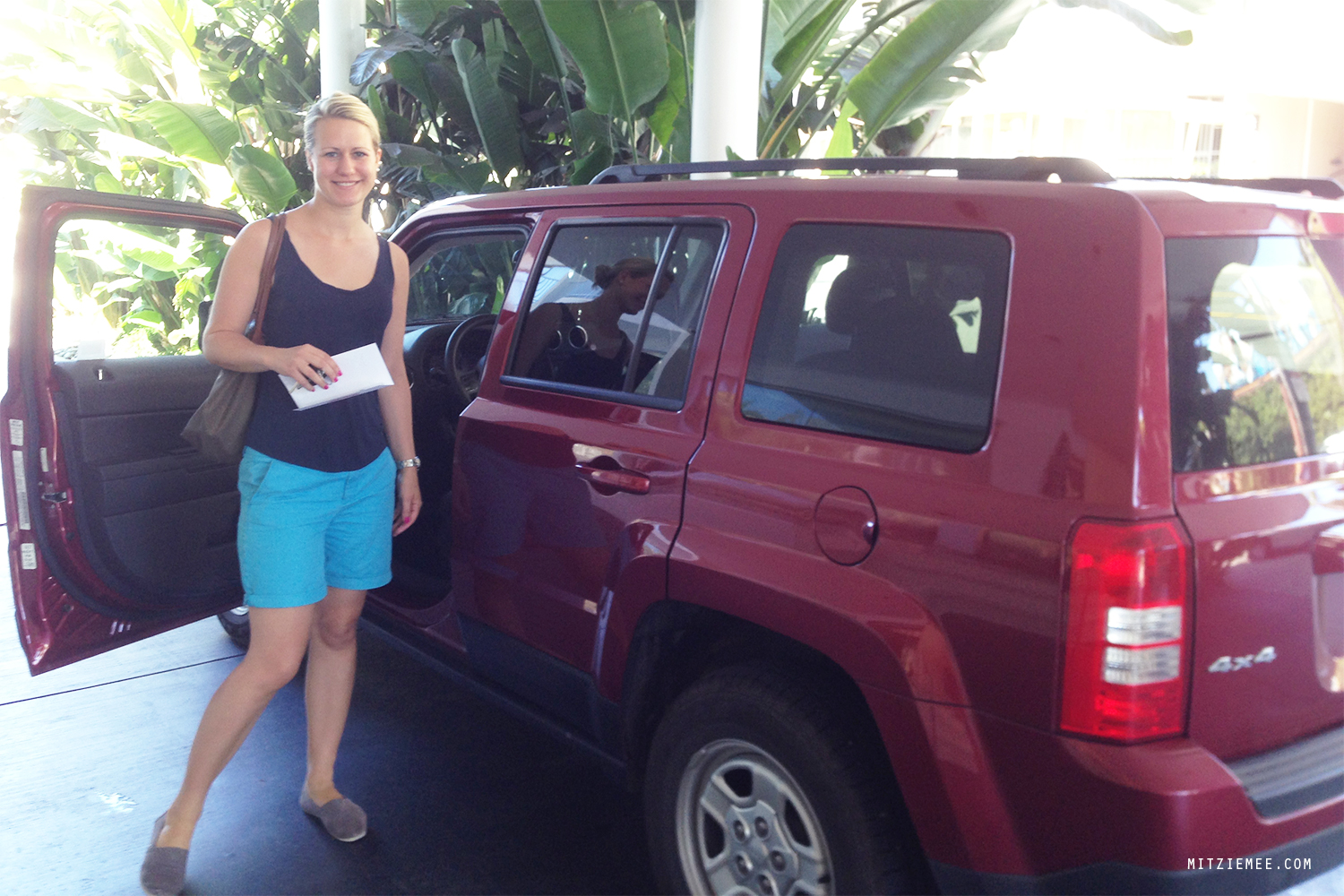
When I’m in Los Angeles, I usually rent a car if I’m staying at an Airbnb or a hotel or motel with reasonably priced parking. Rental cars in the US are often fairly inexpensive, and even though I use Uber and Lyft for shorter rides around the city, I like having a car available for day trips. There is simply so much to see in Los Angeles, and the distances between places can be surprisingly long.
You can get around using Uber or Lyft, and for short trips that works fine. But if you want to explore properly, especially if you are planning day trips to places like Malibu, Palm Springs, or Joshua Tree, renting a car makes good sense. Driving in Los Angeles is actually easier than many visitors expect, and once you have your own car, the city suddenly becomes much more accessible.
Here is what to know before renting a car in Los Angeles.
Is it worth renting a car in Los Angeles?
In most cases, yes. Public transportation exists, but it is limited compared to what you may be used to in Europe. The Metro system connects some parts of the city, but many of the places visitors want to go are not easily reached by train.
If you plan to stay in one neighborhood and mostly walk, ride share services might be enough. But if your itinerary includes several parts of the city or day trips along the coast, a rental car will save you both time and frustration.
Renting a car in the United States is generally straightforward and often reasonably priced, especially if you book in advance.
Driver’s license requirements
You must bring your valid national driver’s license when renting a car in the United States. If you have a driver’s license from an EU country, it is usually accepted without the need for an international driver’s permit. Some EU travelers still bring an international permit as an extra form of identification, but in most cases it is not required.
The minimum age to rent a car in the United States is typically 21. Drivers under 25 almost always have to pay a daily young driver surcharge, and the selection of available cars may be more limited.
Credit cards and deposits
When picking up the car, the rental company will ask for a credit card in the driver’s name. Most companies place a temporary hold on the card as a security deposit. The amount varies depending on the car and the rental company, but it is common for several hundred dollars to be reserved.
The money is not actually charged, but it will not be available on your card until the hold is released after you return the car. This can take several days, so it is something to keep in mind if you are traveling on a tight budget.
Insurance options
Rental companies in the United States usually offer several types of insurance. The most important is Loss Damage Waiver (LDW), sometimes referred to as Collision Damage Waiver (CDW), which covers damage to the rental car and sometimes also theft or loss of the vehicle. Depending on how you book, this coverage is often already included in the rental rate.
Supplemental Liability Insurance increases the coverage if you cause damage to another vehicle or property. Liability coverage is required in the United States, but the included coverage can be relatively low, so many travelers choose to add extra protection.
Personal Accident Insurance covers medical costs for the driver and passengers after an accident.
Before buying additional insurance from the rental company, it is worth checking if your travel insurance or credit card already provides coverage for rental cars.
Navigation and GPS
Rental companies often offer GPS units for an additional fee, but most travelers skip this and simply use their phone. Google Maps and Apple Maps both work very well in Los Angeles and provide real time traffic updates.
Just remember to bring a phone mount or place your phone somewhere where you can safely glance at the directions while driving.
Driving in Los Angeles
Traffic in Los Angeles is real. At rush hour it can easily take several hours to cross the city, even on relatively short routes. Morning traffic usually peaks between 7 and 10 am, and afternoon traffic between 3 and 7 pm.
The city’s freeways can feel overwhelming at first. Many highways have four or five lanes in each direction, and sometimes even more. Once you get used to the rhythm, it becomes much easier to navigate. If you feel unsure, stay in one of the middle lanes and avoid last minute lane changes.
One thing that surprises many of us from Europe is that in the US you are generally allowed to turn right at a red light after coming to a full stop, unless a sign specifically says otherwise.
You will also see special carpool lanes marked HOV. These lanes are reserved for vehicles with two or more people during certain hours. If you are traveling with a companion, you can use them and sometimes save a lot of time.
Parking in Los Angeles
Parking in Los Angeles comes in several forms.
Street parking with parking meters is often the cheapest option. Always read the signs carefully, as many streets have time limits or restrictions during certain hours.
Parking garages and lots are common in busy areas such as Santa Monica, Downtown, and West Hollywood. Prices vary depending on the neighborhood.
Valet parking is also very common at restaurants, hotels, and nightclubs. You leave the keys with an attendant who parks the car for you. Valet parking usually comes with a fee, and it is customary to tip the attendant a few dollars when you pick up the car.
Another thing to watch out for is street cleaning. On certain days and times, parking is not allowed so the city can clean the streets, and cars left there can be ticketed or towed.
Gas stations and fueling
Most gas stations in Los Angeles are self service. You either pay directly at the pump with a credit card or pay inside the store before fueling. Gasoline prices fluctuate, but California is generally one of the more expensive states in the US. I have often had trouble paying directly at the pump with my Danish credit cards, as the machines usually ask for a US ZIP code. If that happens, just go inside the station and prepay at the counter before you start fueling.
When returning your rental car, you usually need to refill the tank unless you have prepaid for fuel. Some rental companies offer to fill the tank for you for a fee, but unless you are in a hurry when dropping off the car, it is usually better to fill it yourself. The rental companies often charge both a higher fuel price and an additional service fee, which can make it significantly more expensive than filling the tank at a regular gas station.
Road Tolls
There are no traditional toll roads in Los Angeles, and you can drive on most freeways without paying anything. However, some highways have ExpressLanes, such as parts of I-10 and I-110, where you pay a toll to use a faster lane during busy periods. These lanes require a FasTrak transponder, and if you enter them without one, the toll may be billed to the rental company and then charged to you along with an administrative fee. If you mostly stay around Los Angeles, Santa Monica, Beverly Hills, Hollywood, and Malibu, you will probably never encounter any toll roads.
Final thoughts
Driving in Los Angeles might seem intimidating at first, especially if you are used to smaller European cities. But once you get comfortable behind the wheel, having a car gives you a level of freedom that is hard to match.
Suddenly Malibu is just a coastal drive away, the beaches of Santa Monica are within reach, and you can explore neighborhoods all over the city without constantly checking ride share prices.
If you plan to see more than one part of Los Angeles, renting a car is often the easiest way to experience the city.